
THE EXQUISITE AND INTRIGUING…
MERGUI ARCHIPELAGO
MYANMAR
7 & 10 nights
THE EXQUISITE AND INTRIGUING…
MERGUI ARCHIPELAGO
MYANMAR
7 & 10 nights
THE EXQUISITE AND INTRIGUING…
MERGUI ARCHIPELAGO
MYANMAR
7 & 10 nights
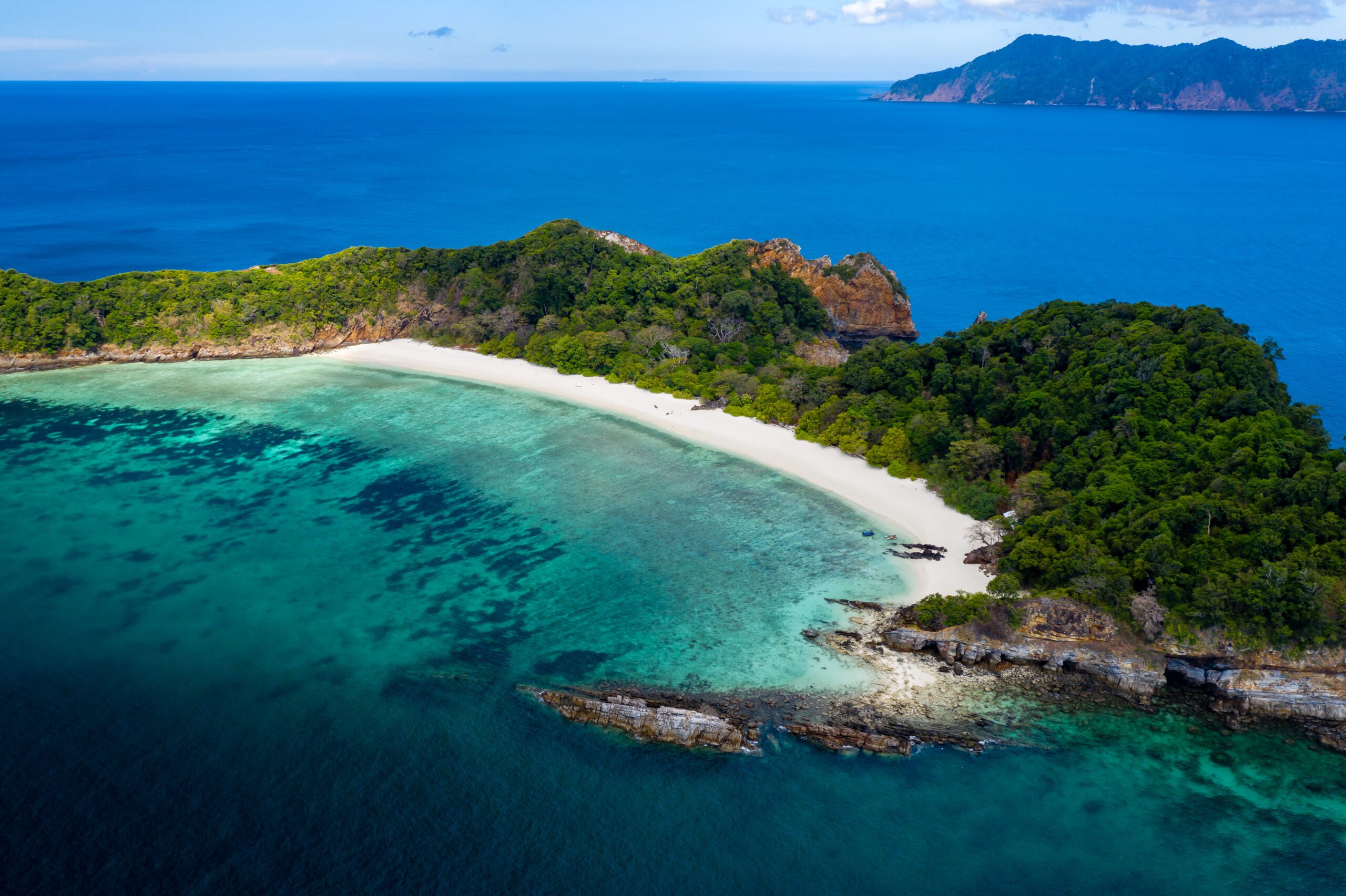
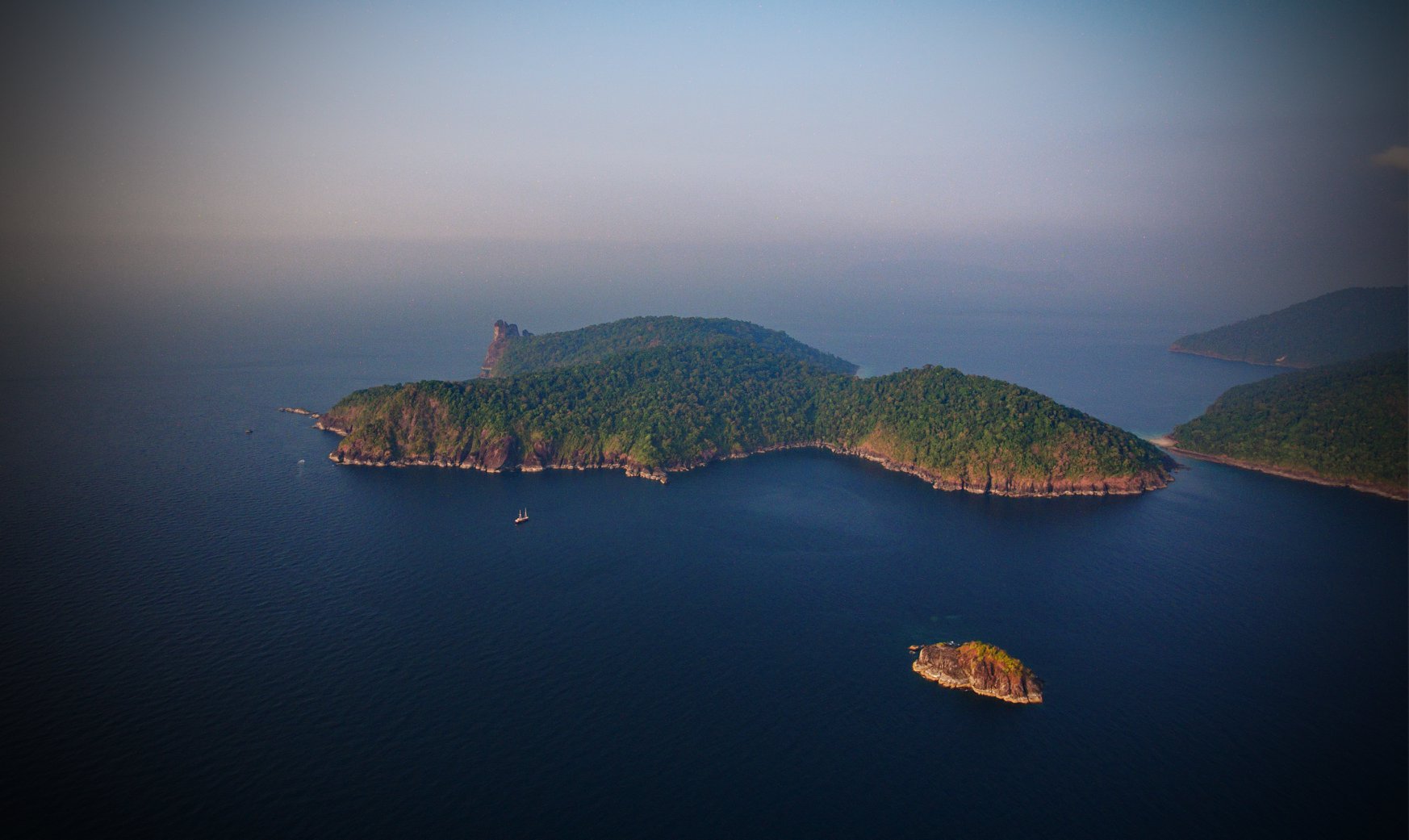
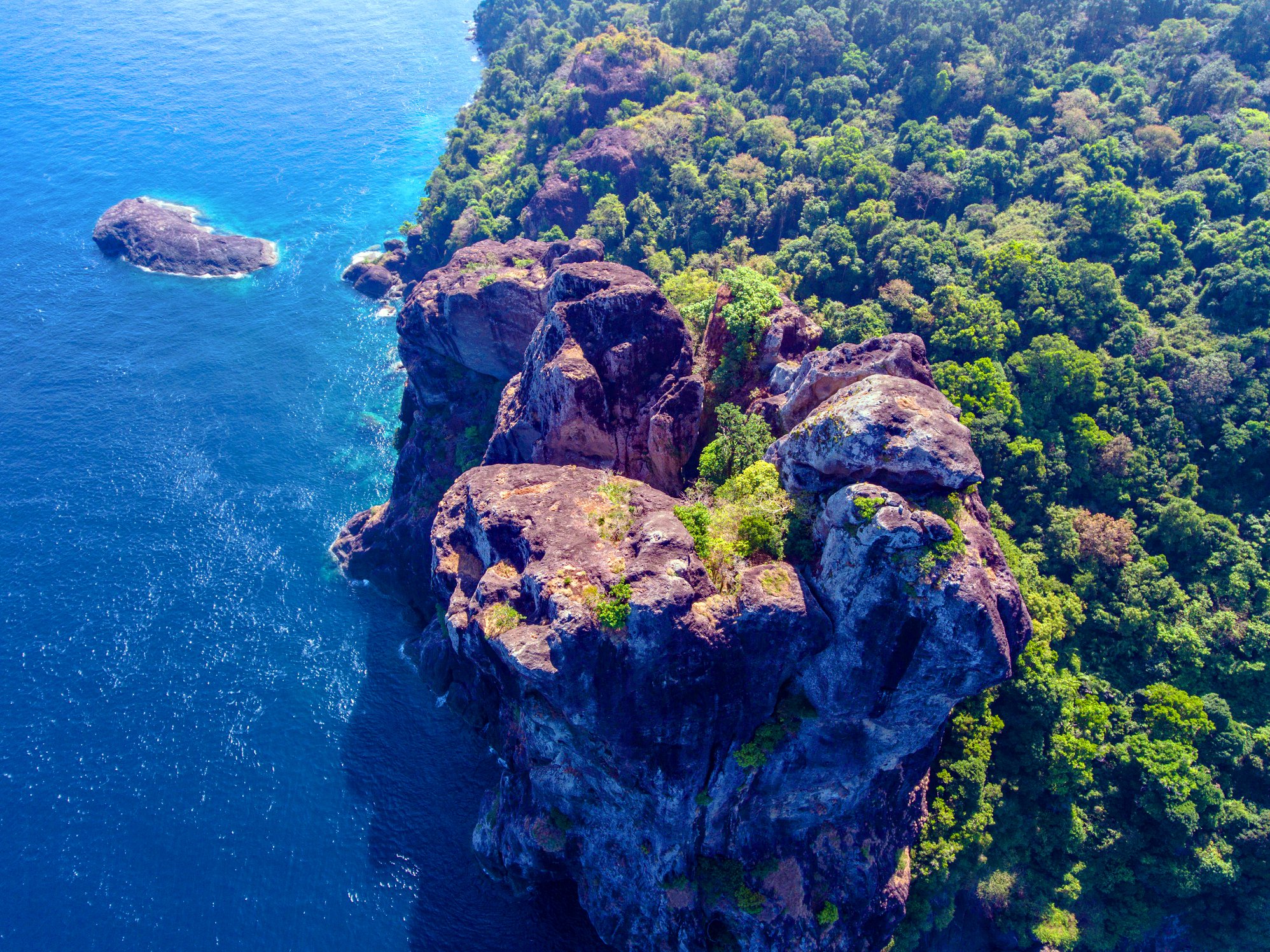
JOIN US on this EXCITING and INTRIGUING itinerary, exploring the VERY BEST DIVING that Myanmar has to offer, taking in the highlights of High Rock, Black Rock, Fan Forest, Western Rocky, North and South Twin & Captain’s Rock…
… and also on the 10 night, Little Torres Island and Tower Rock too!
WHAT DO OUR GUESTS SAY?
Ten days on the Phinisi was like taking a year’s sabatical.
IanTG
I spent a week on the Phinisi and it was the best dive holiday I’ve ever been on!!
Kayla F
The diving, briefings, support and experience was magical.
Neil C
QUICK MENU
QUICK MENU
GALLERY


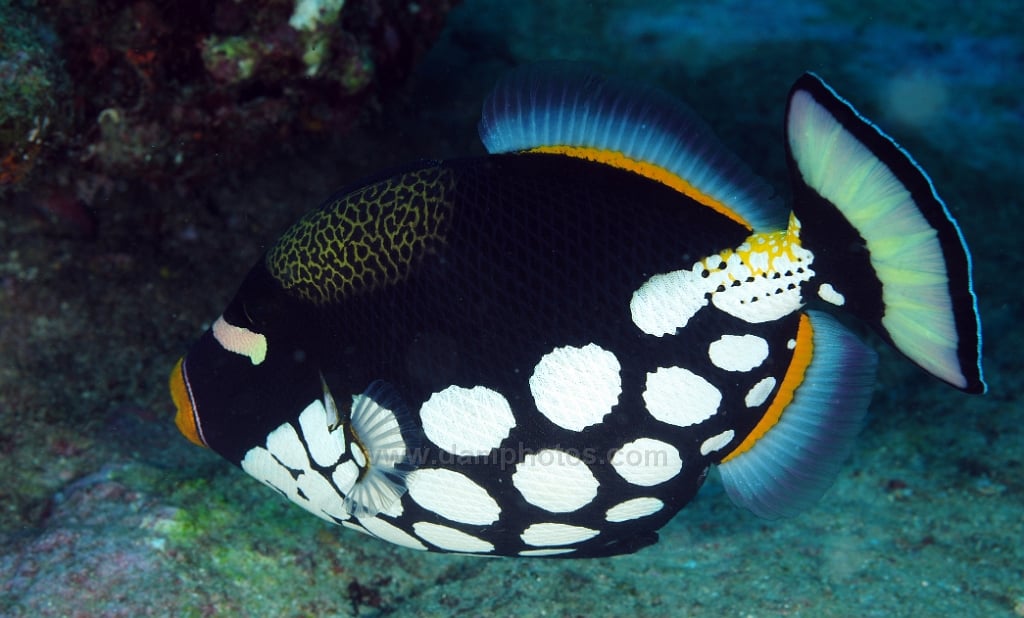
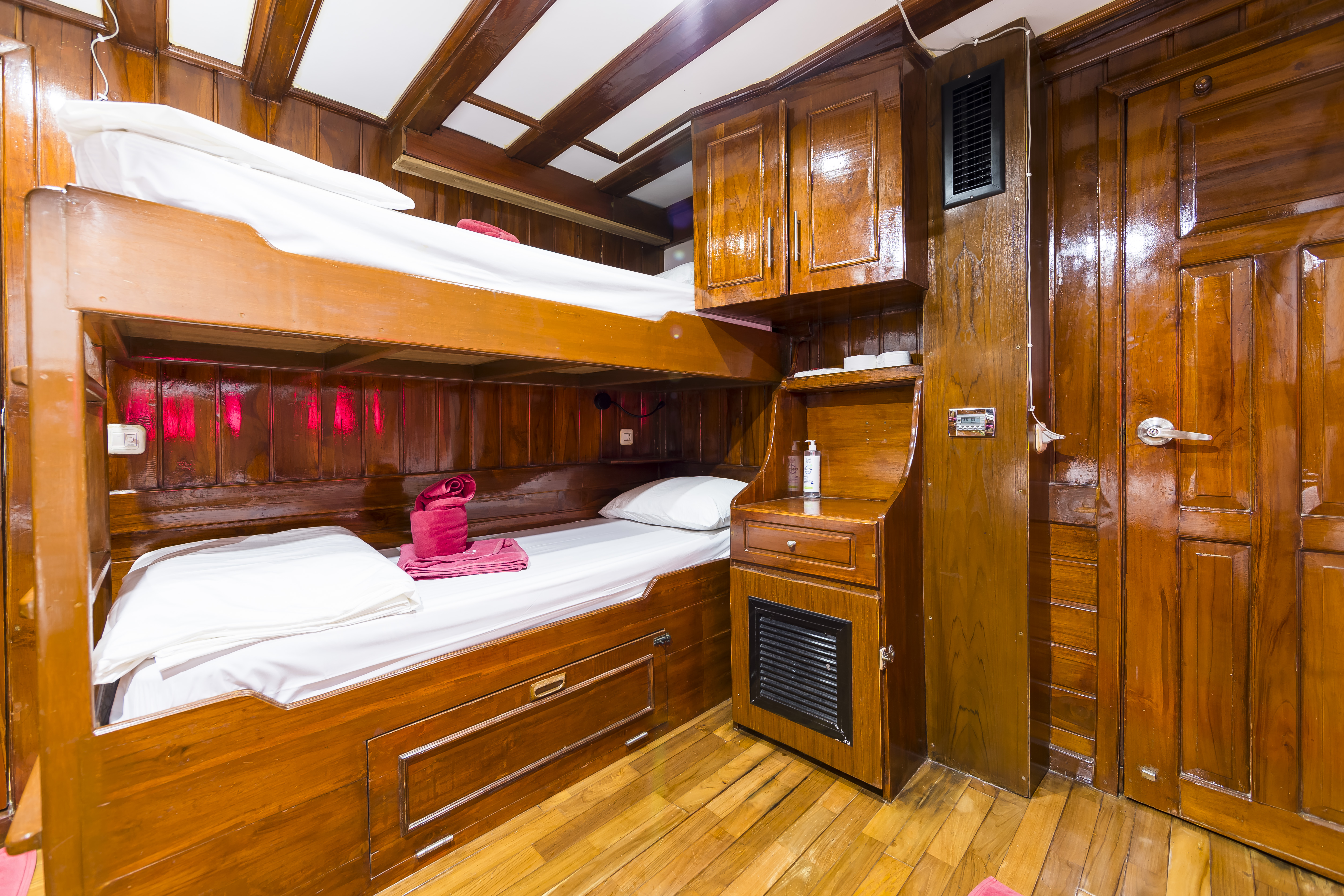
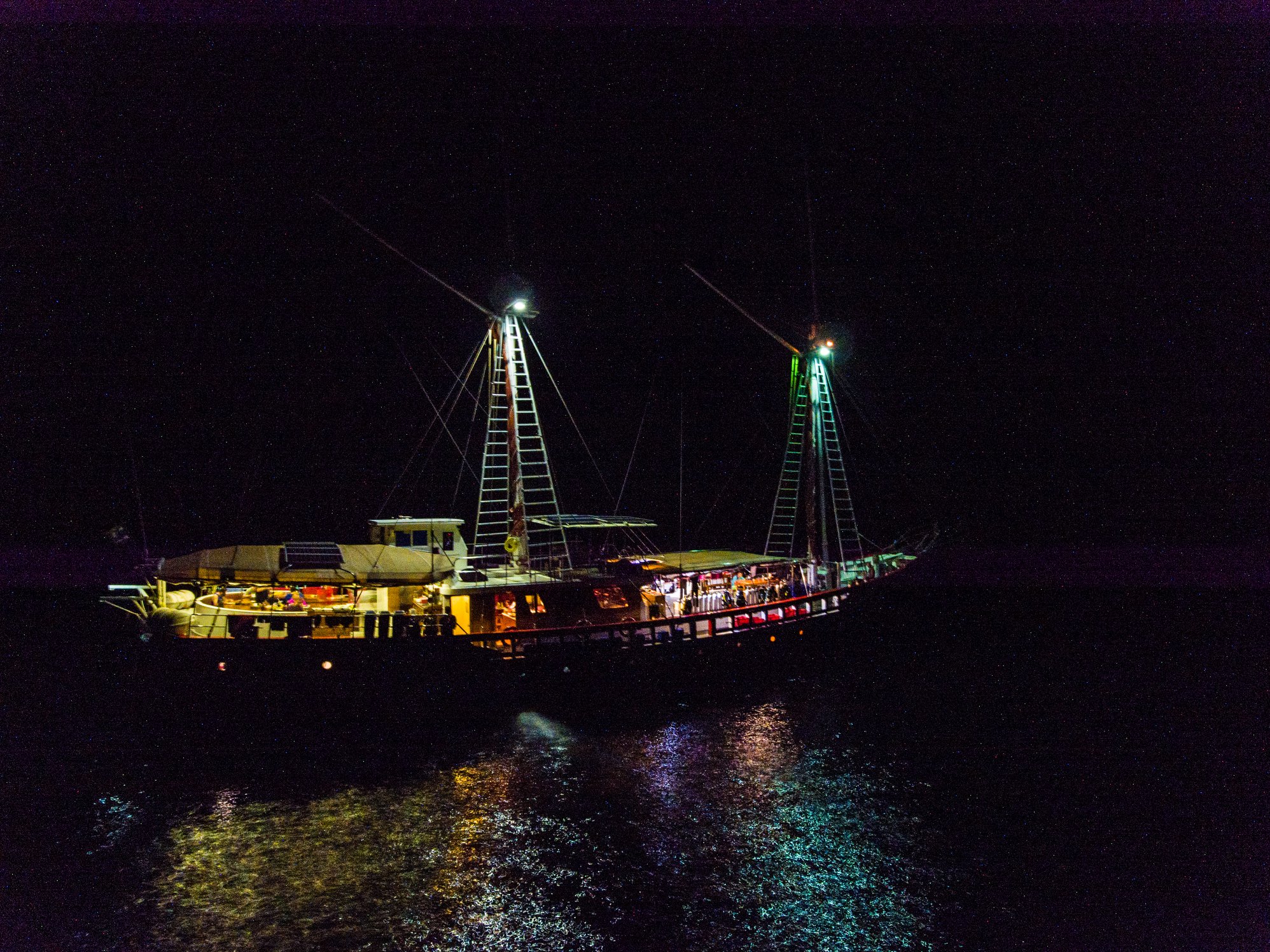
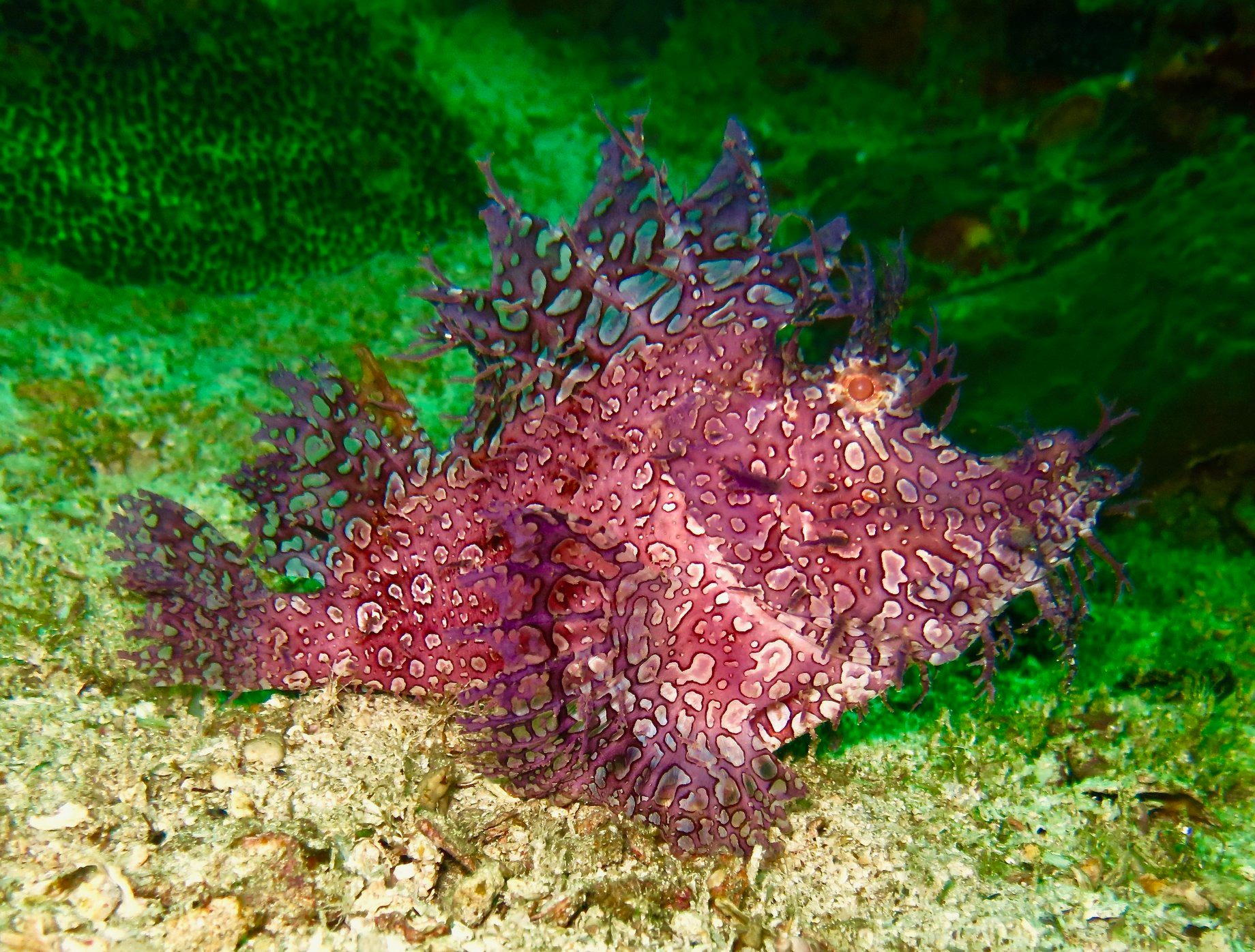

BOOKING ENQUIRY FORM
Upcoming cruises…
PLEASE NOTE – The discounted prices are for display purposes only. Please confirm that your booking qualifies.
To scroll through cruises, please use the navigation underneath.
Use this Navigation to scroll through cruise opportunities.
READY TO EXPERIENCE the INTRUIGING Mergui Archipelago?
CLICK to go to BOOKING FORM
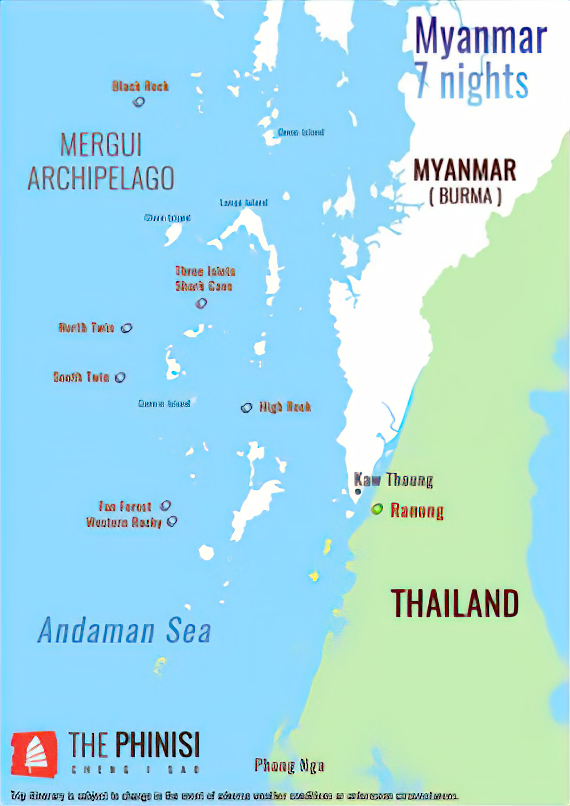
We dive the following sites*
High Rock
North and South Twin & Captain’s Rock
Black Rock
Shark Cave (aka Three Islets)
Fan Forest & Western Rocky
Little Torres Island
(10 night only)
Tower Rock
(10 night only)
*Trip itinerary subject to change without prior notice.
aboard THE PHINISI
Tradition, comfort & flexibility
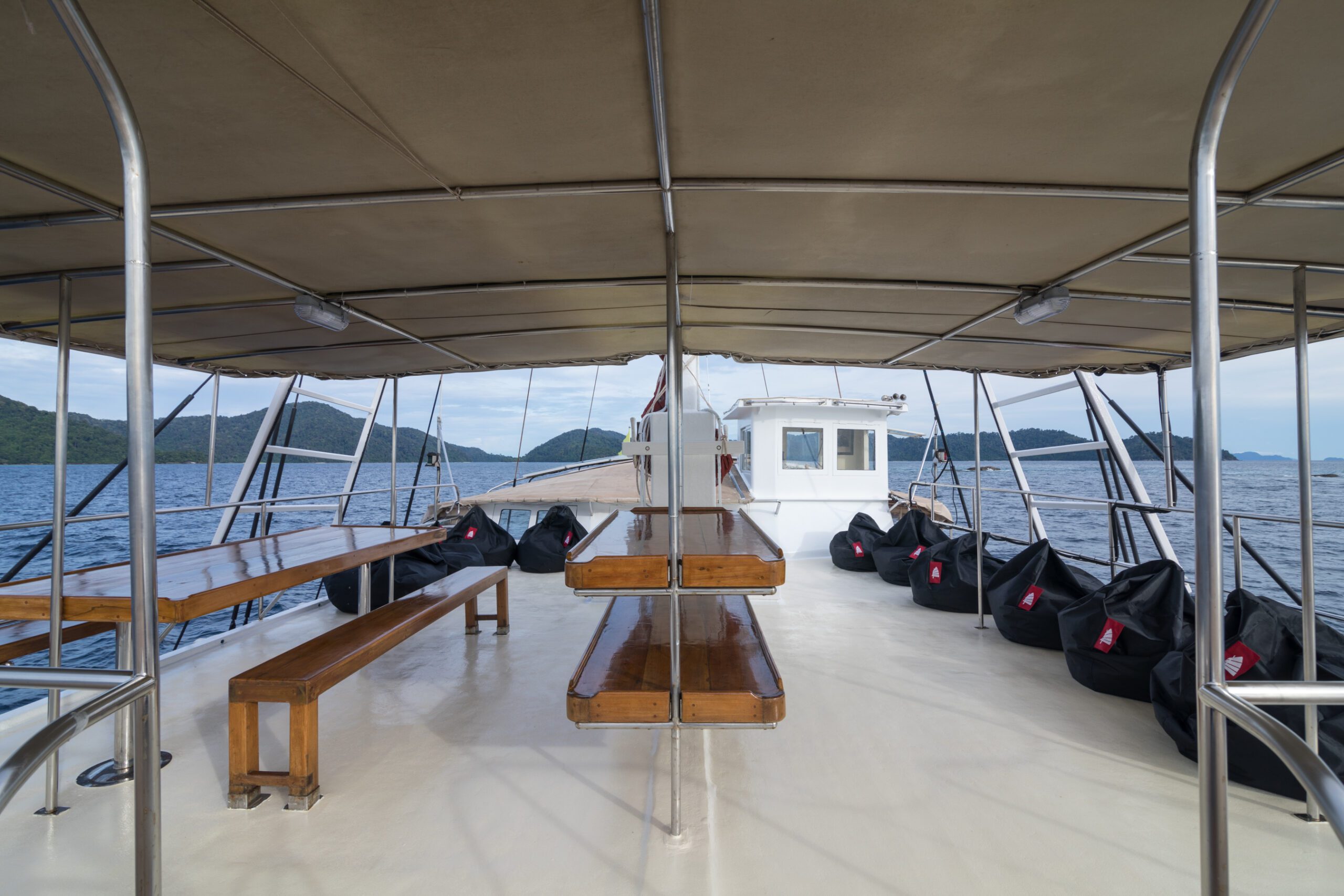
Accommodation on board Thailand and Myanmar’s most iconic diving liveaboard.
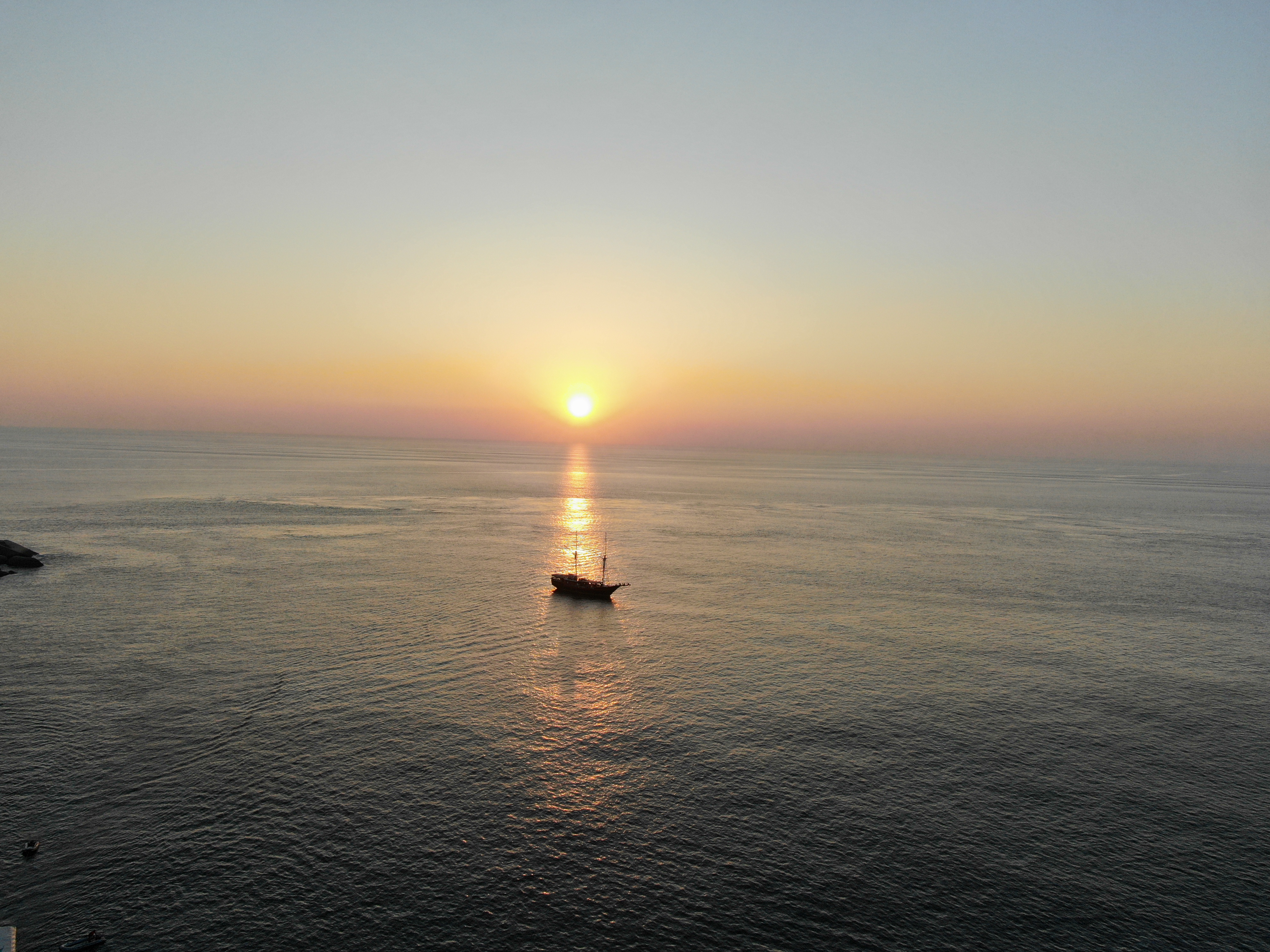
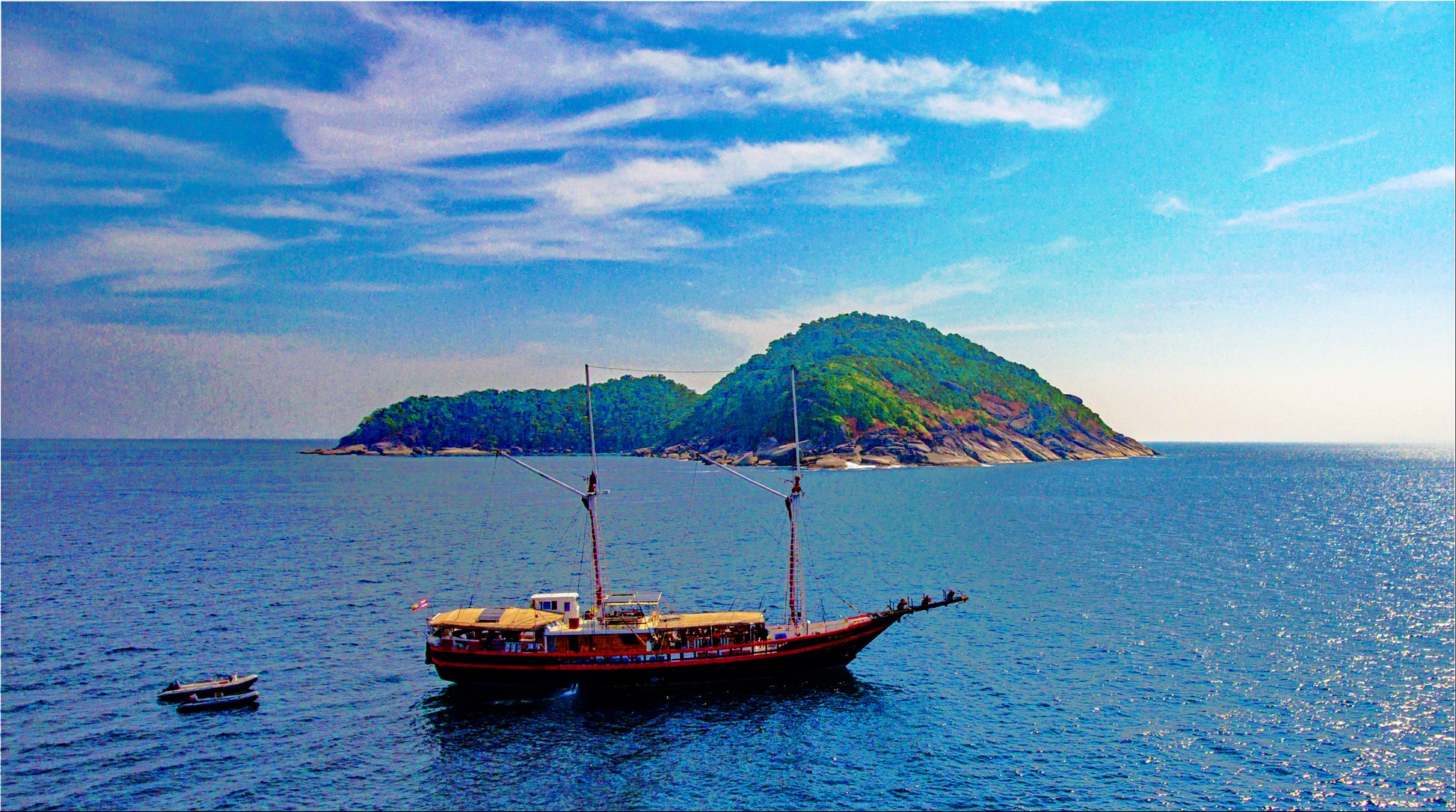
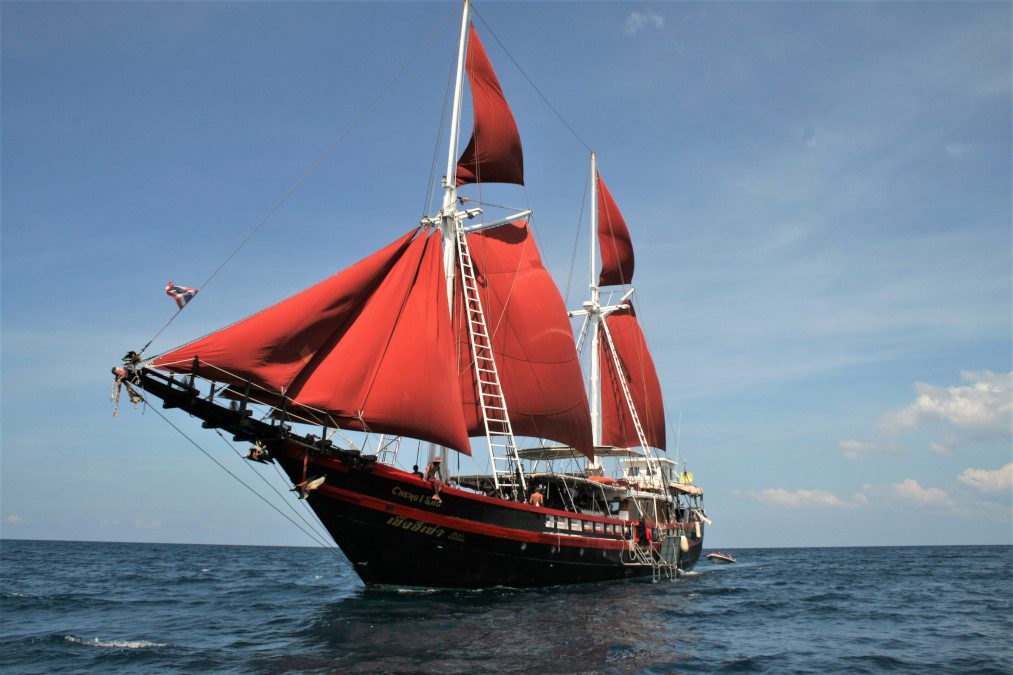
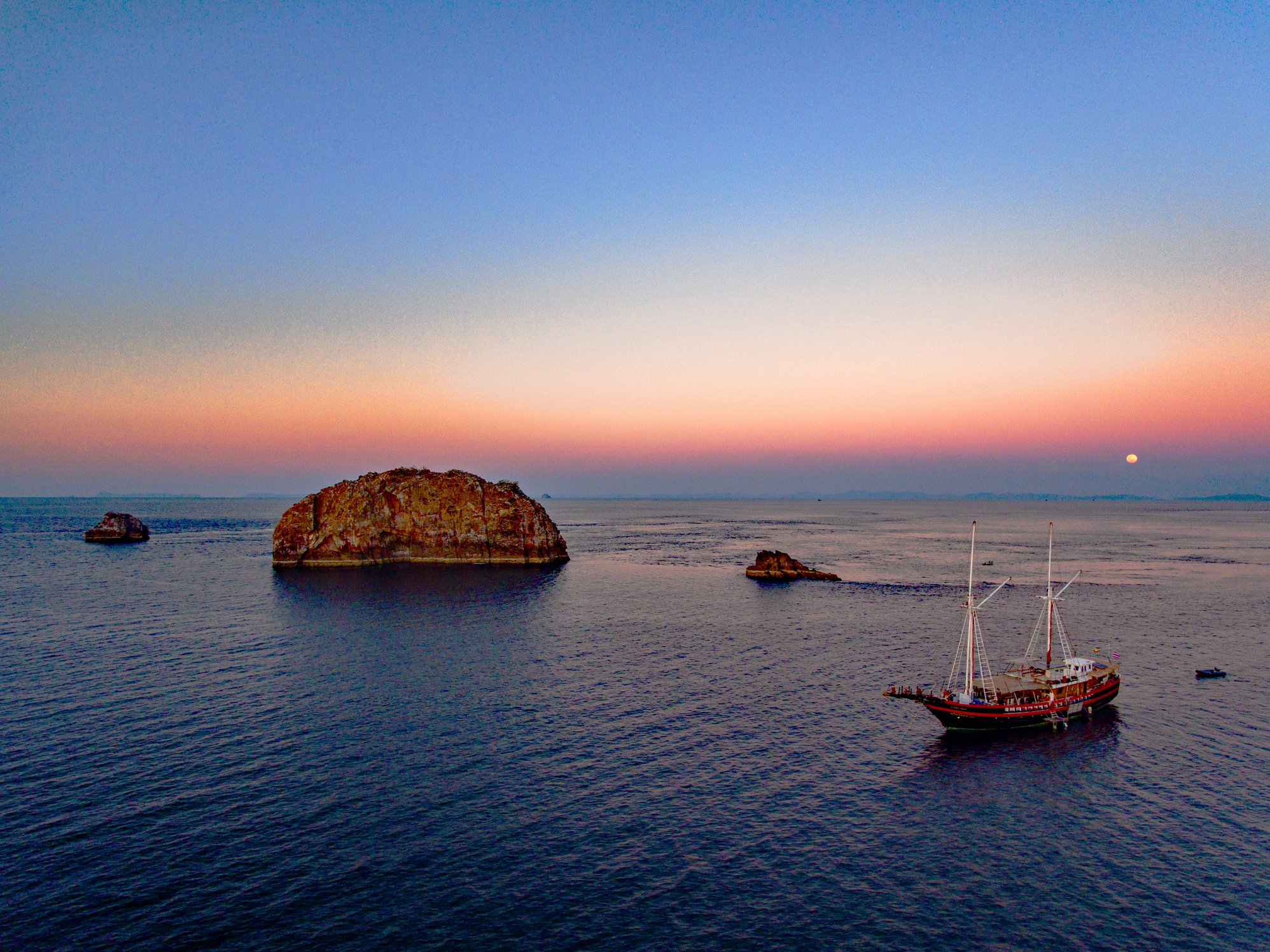
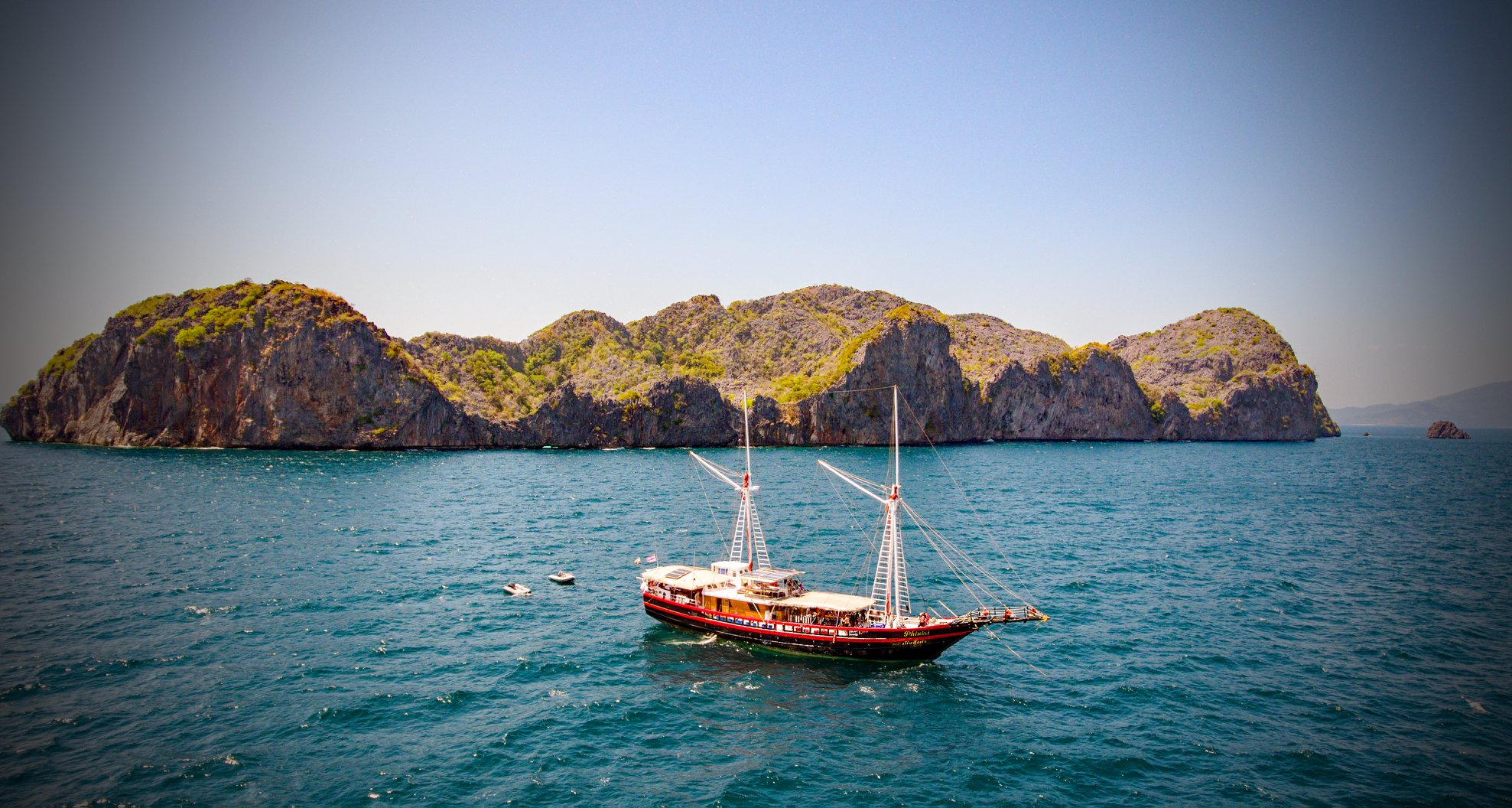
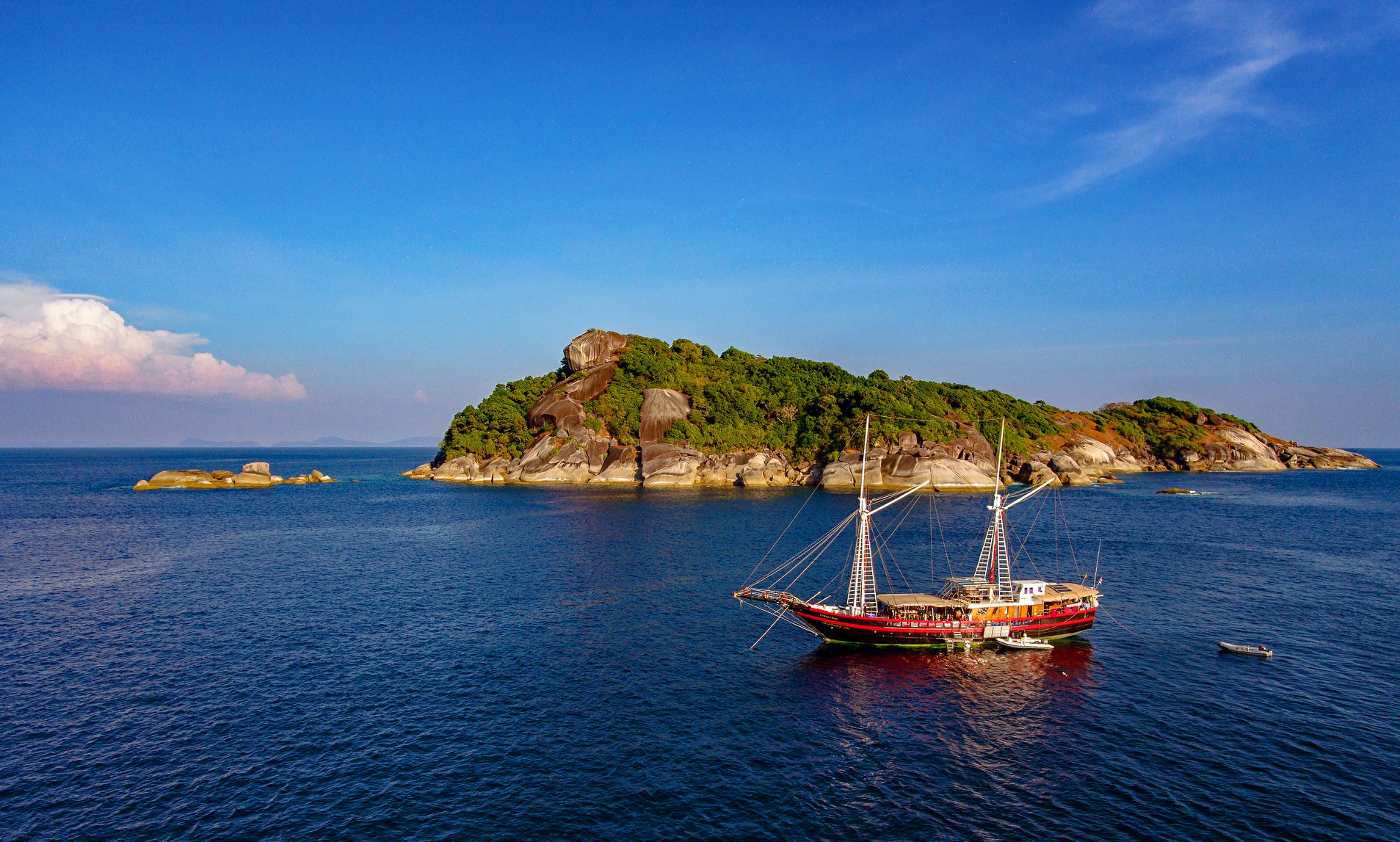
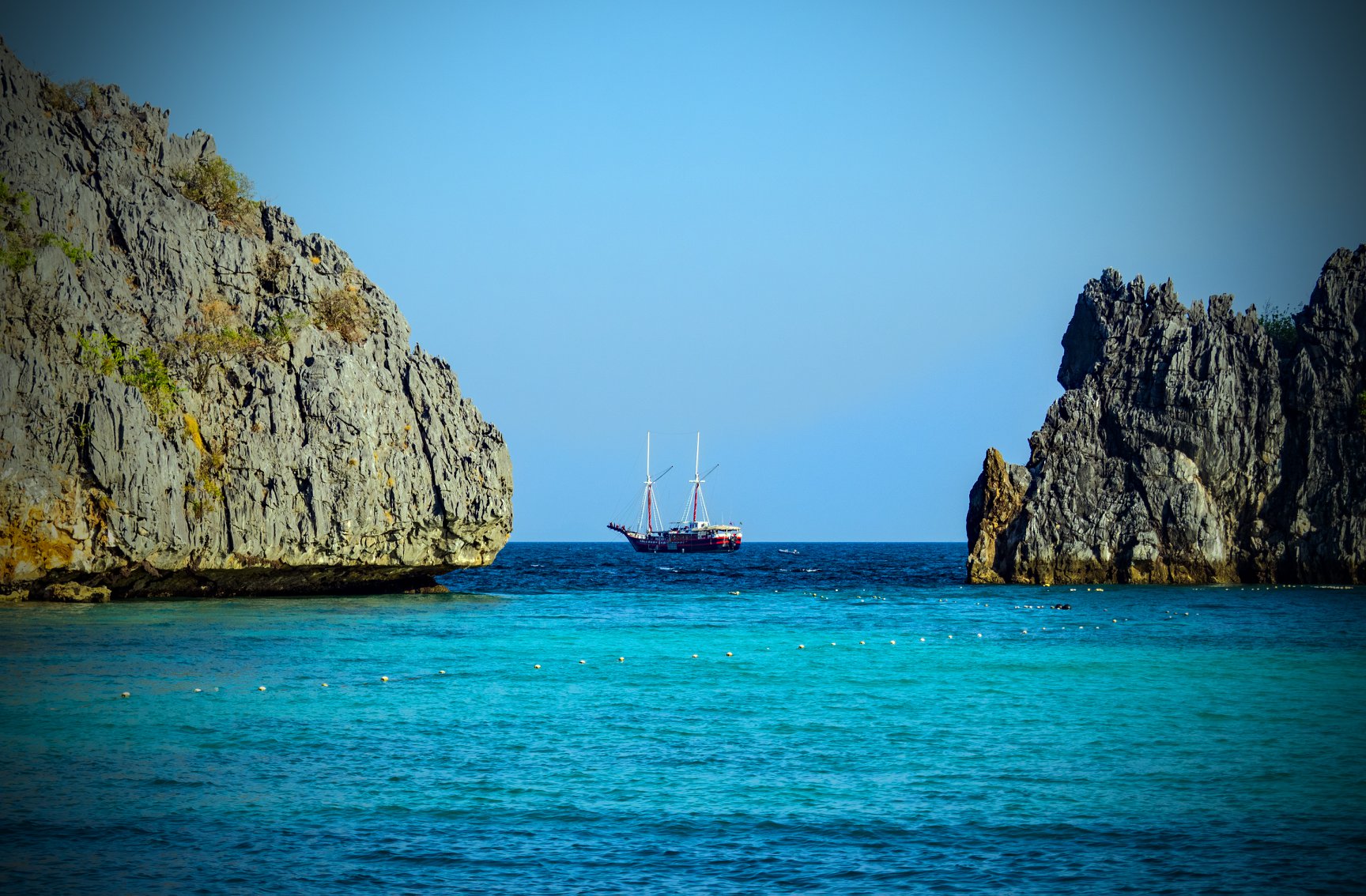
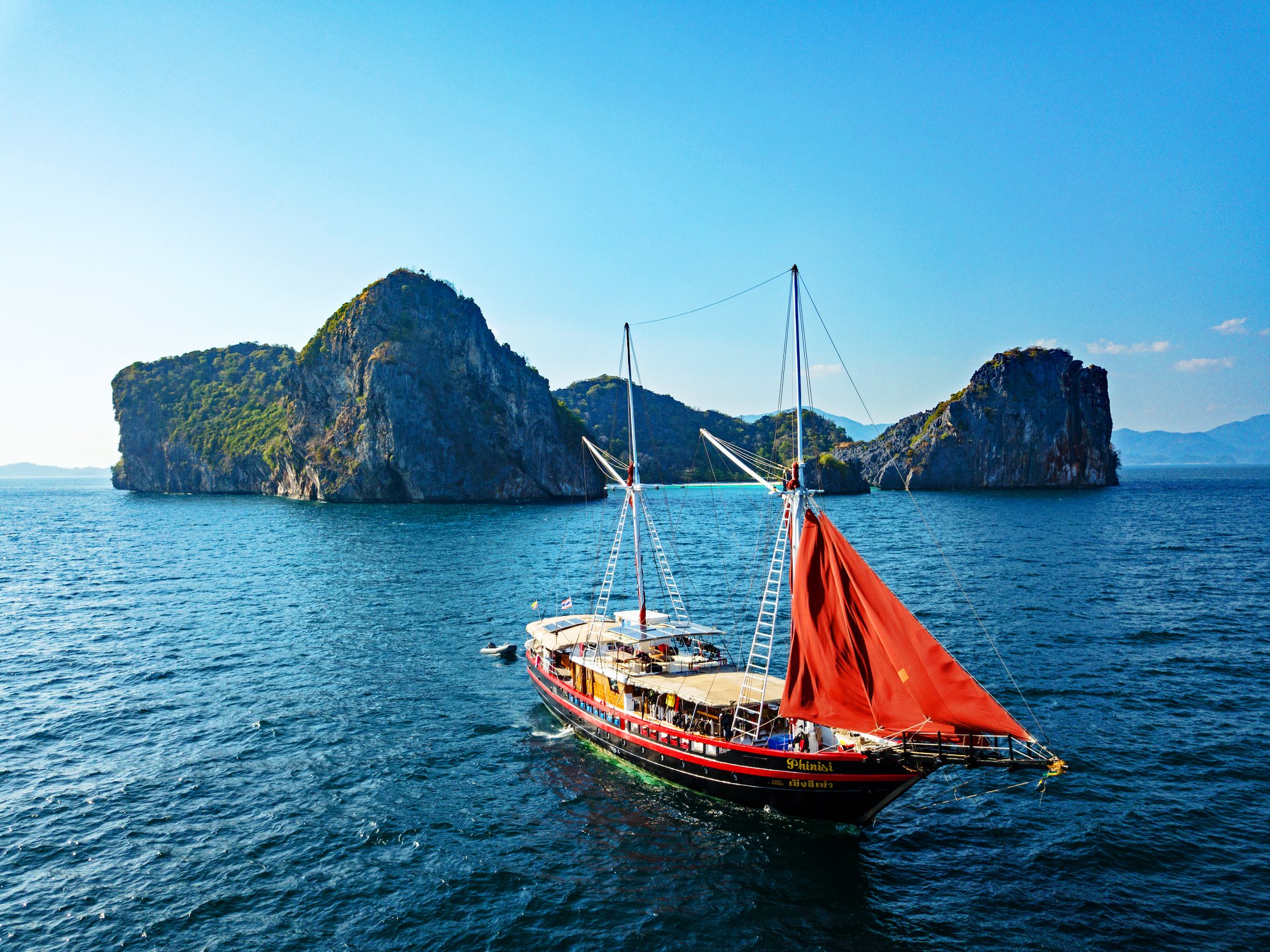
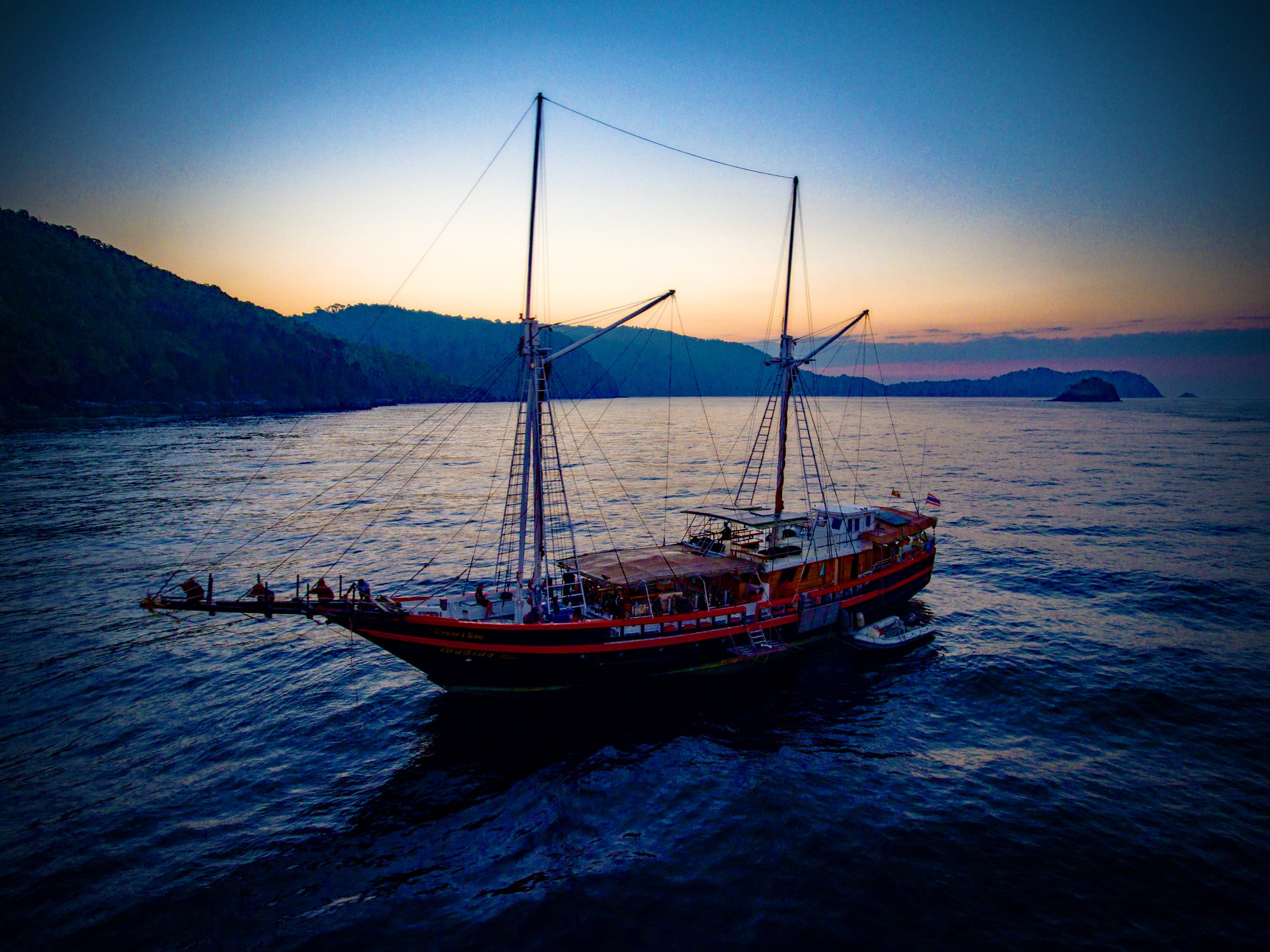
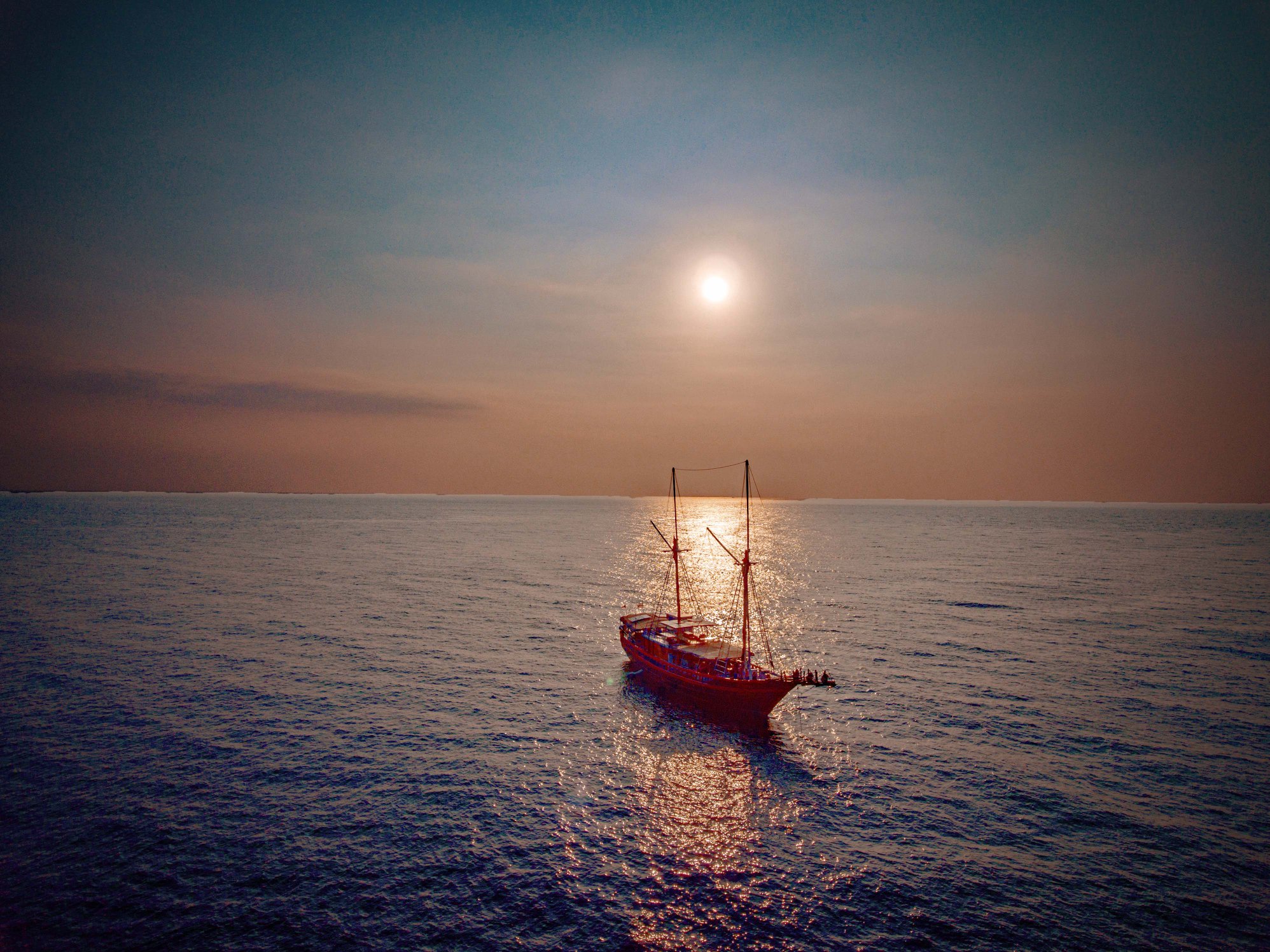
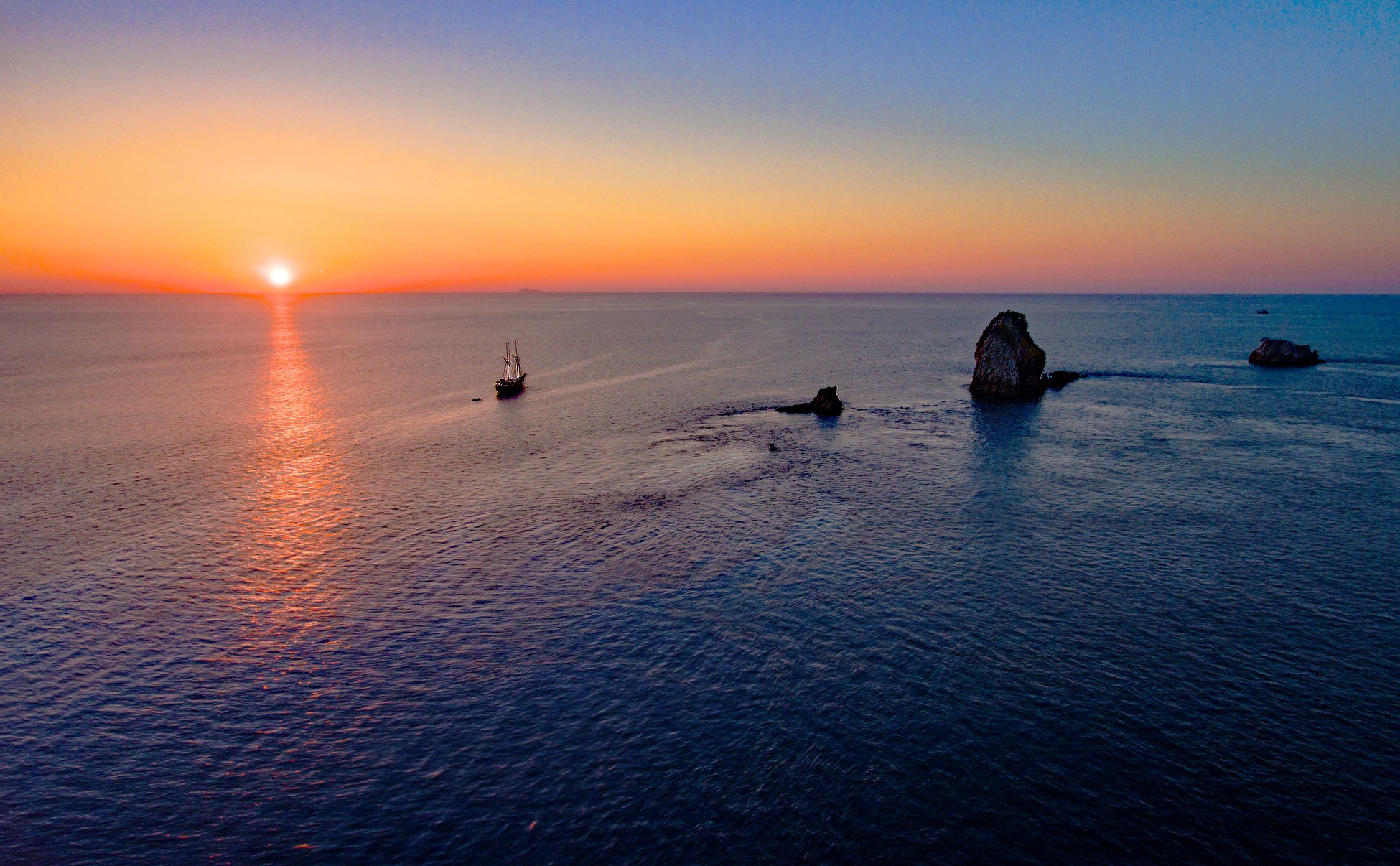
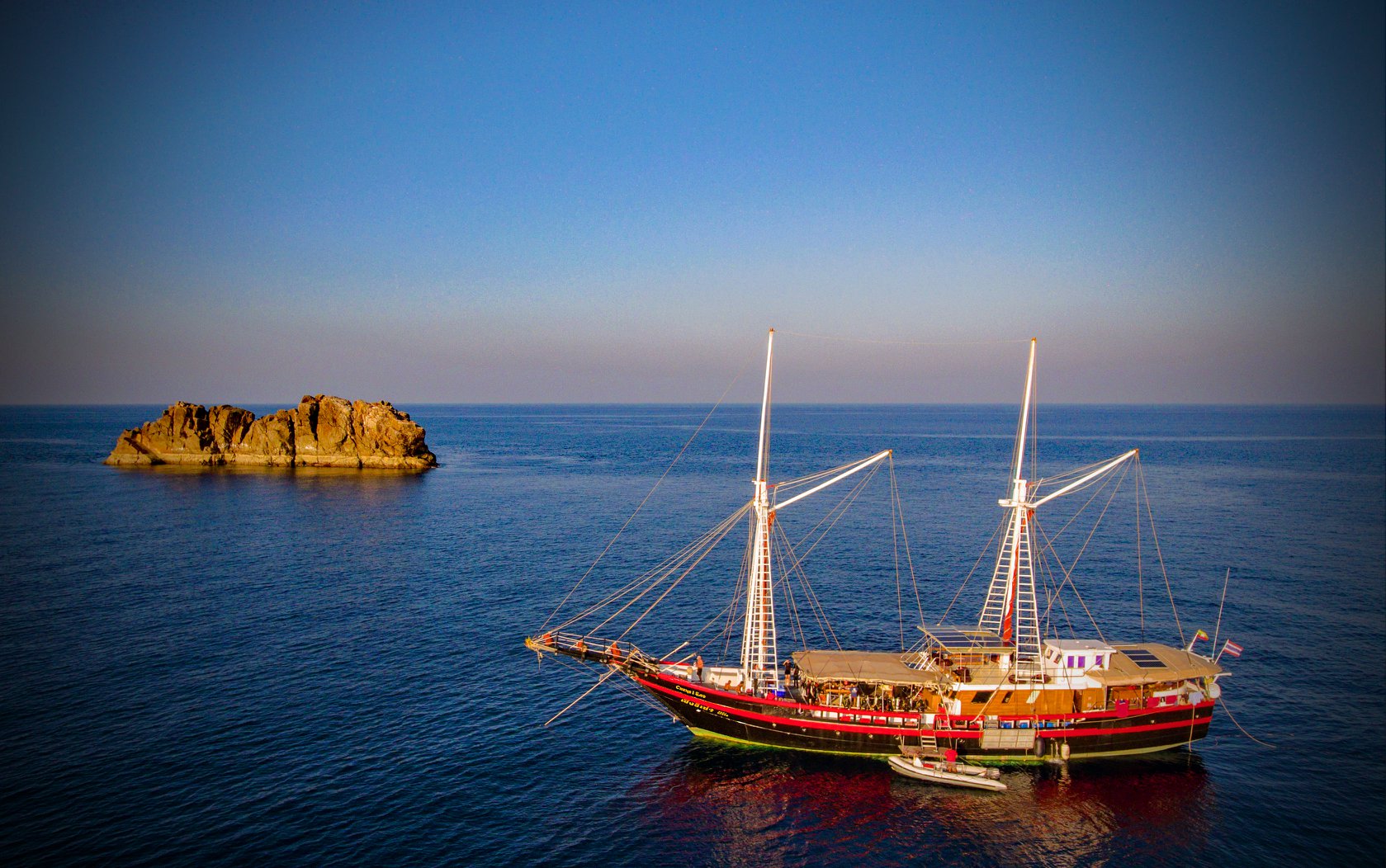
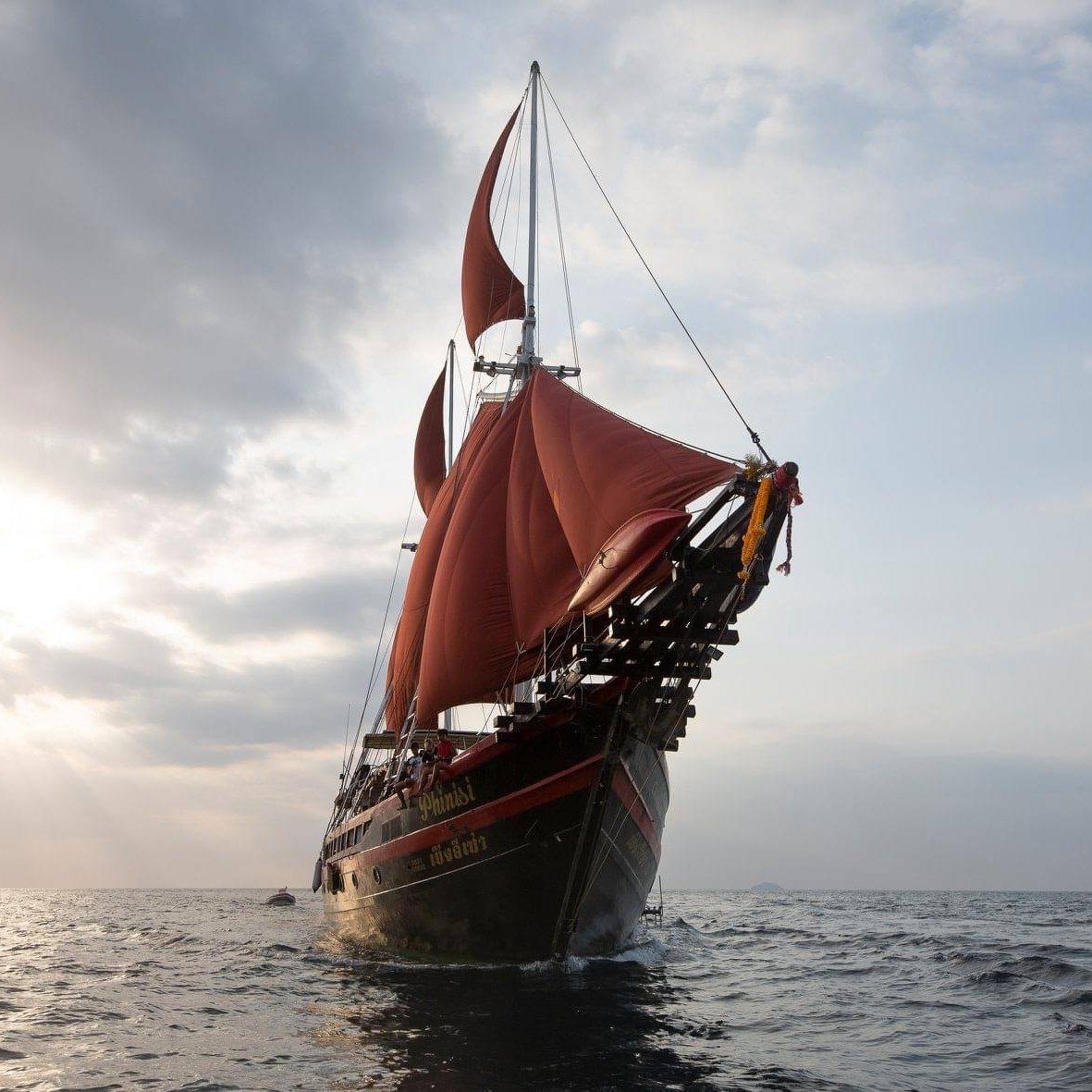
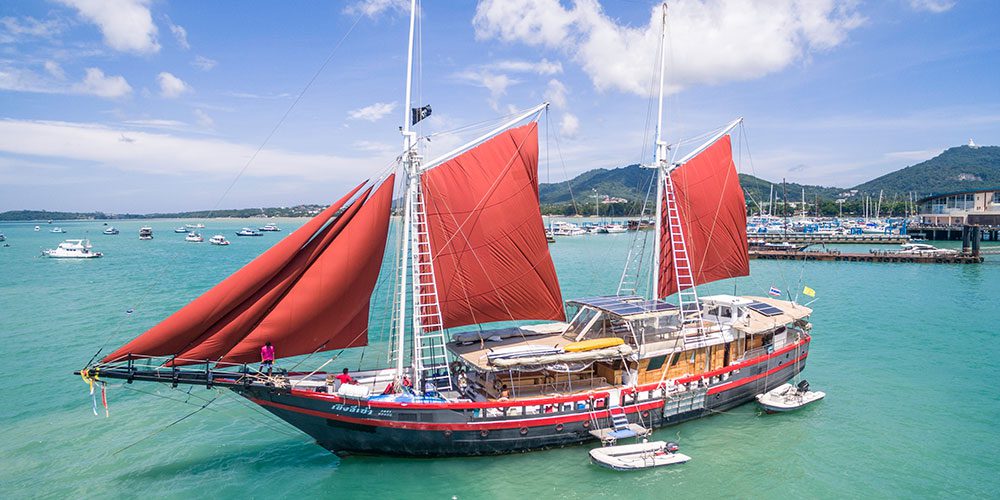
The Junk proudly presents her sister boat: The Phinisi, officially known as ‘Cheng I Sao’. The Phinisi (pronounced: Pinisi) operates liveaboard cruises in Thailand and Myanmar.
While a remarkable history and character unites the two yachts, The Phinisi complements The Junk by offering a variety of itineraries in Thailand, plus this exciting destination: the Mergui Archipelago.
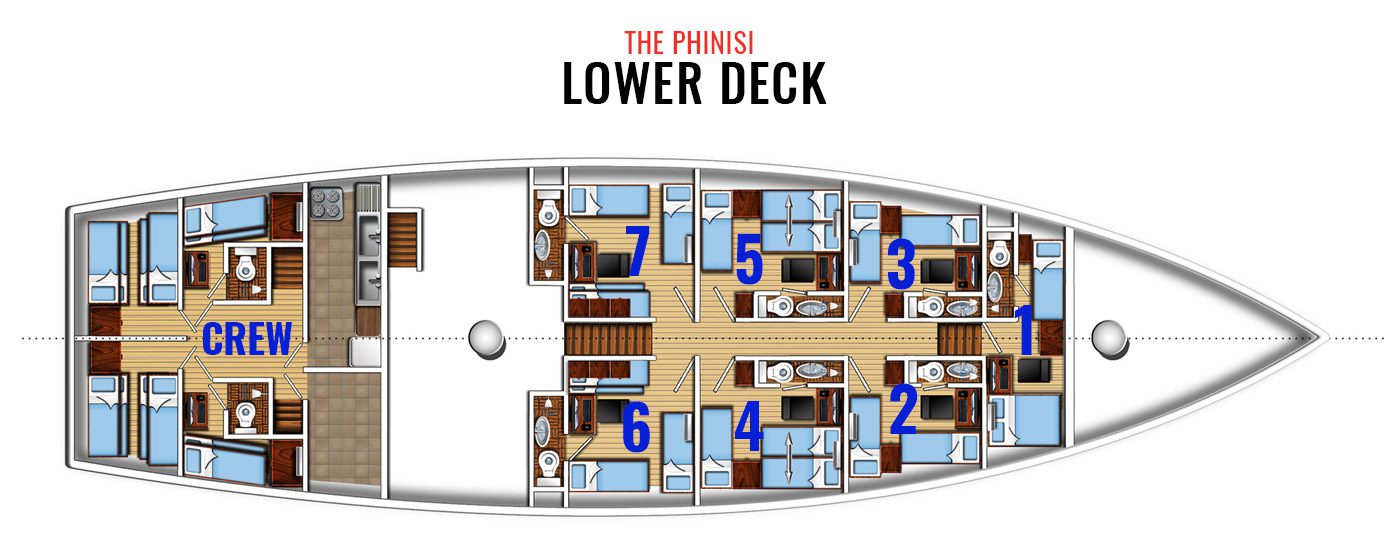
FACILITIES
Some of the most important features on the Phinisi
THE CABINS
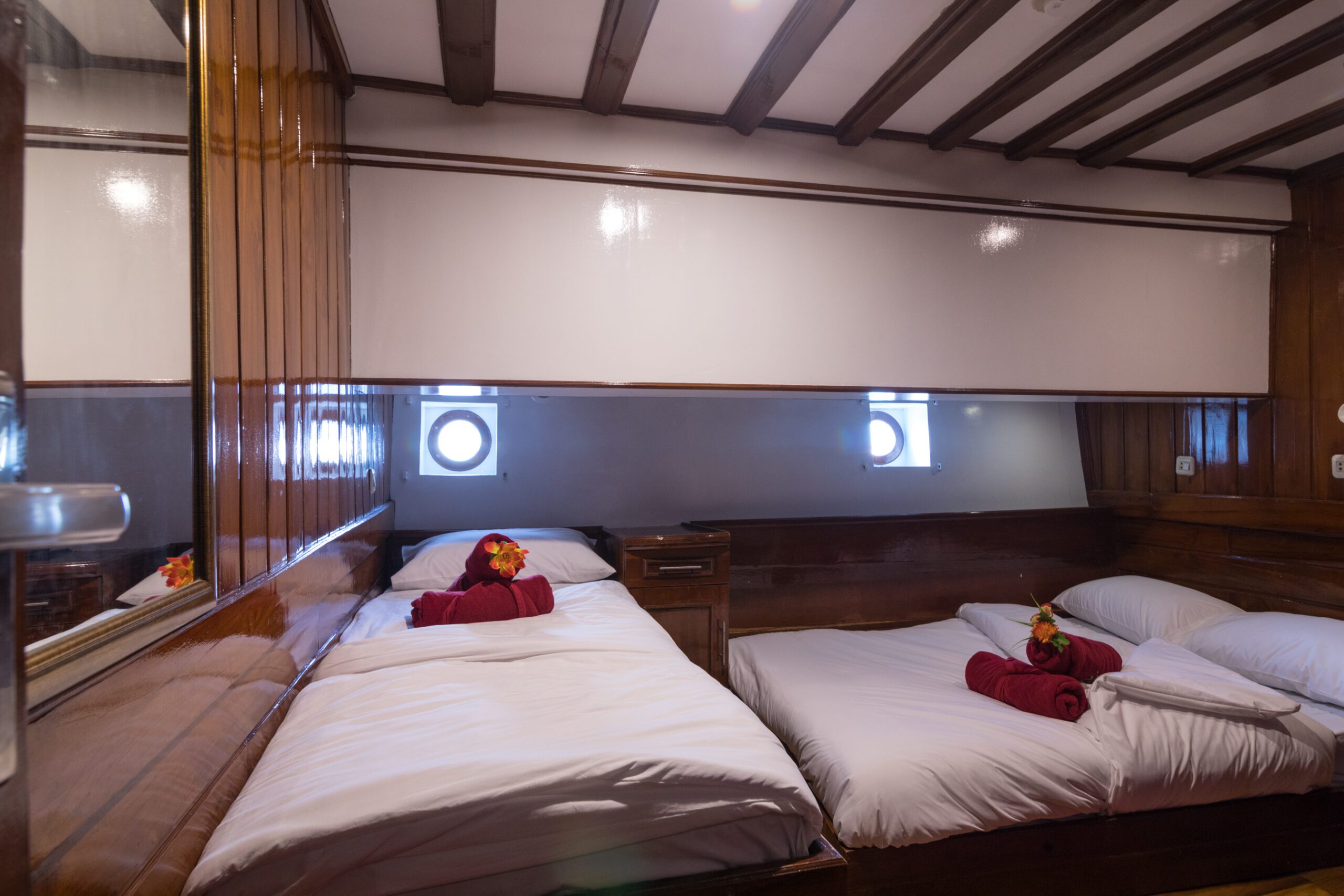
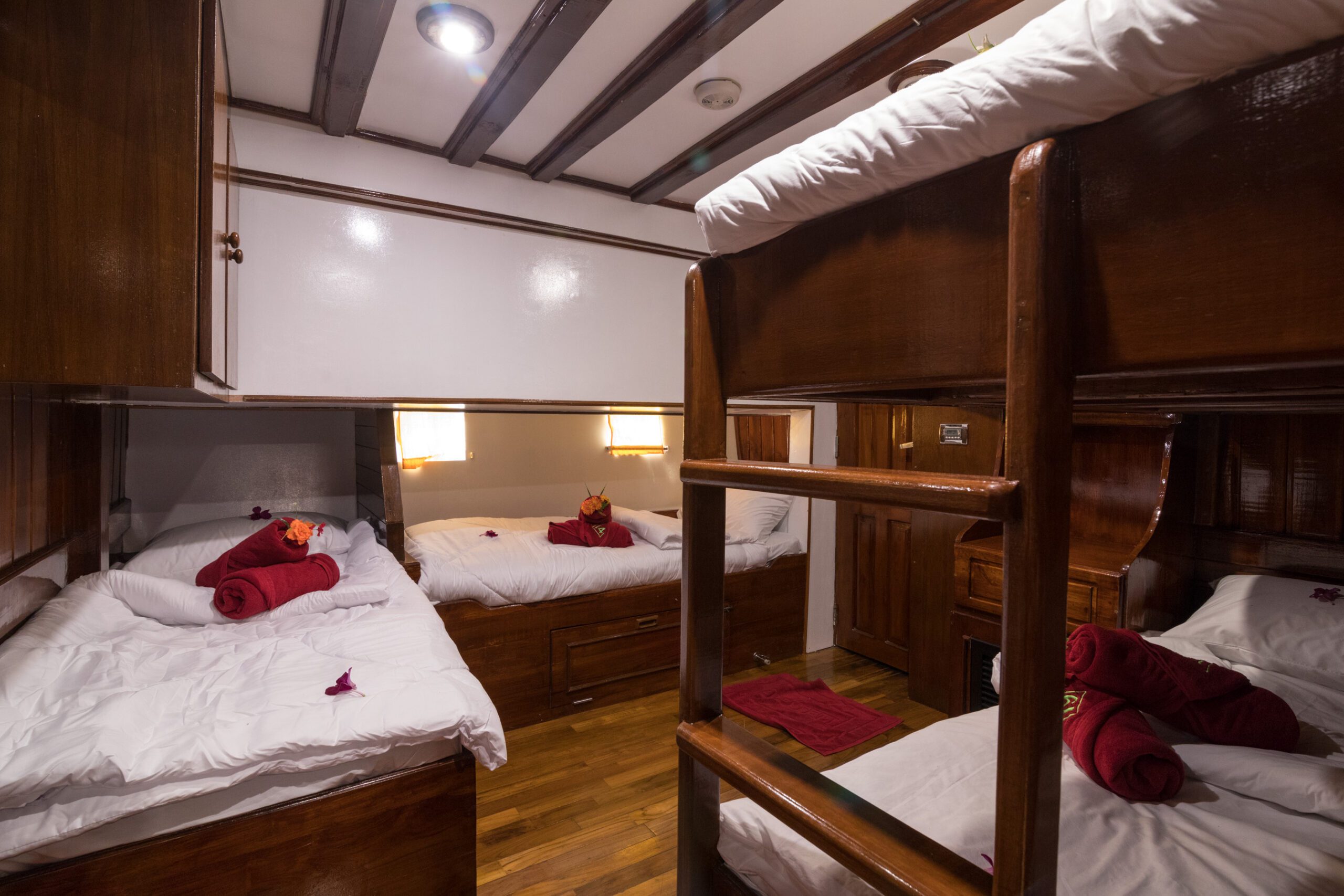
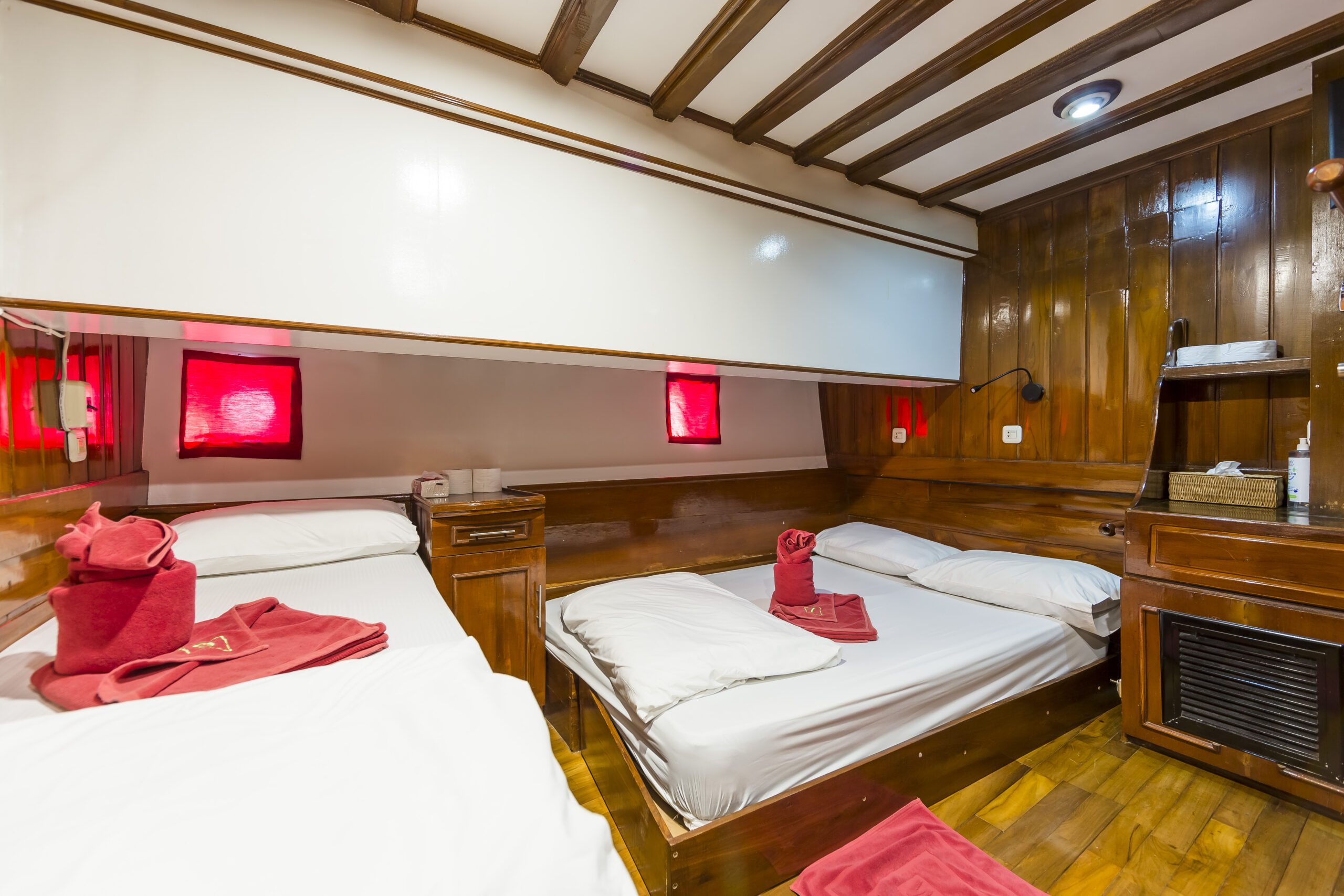
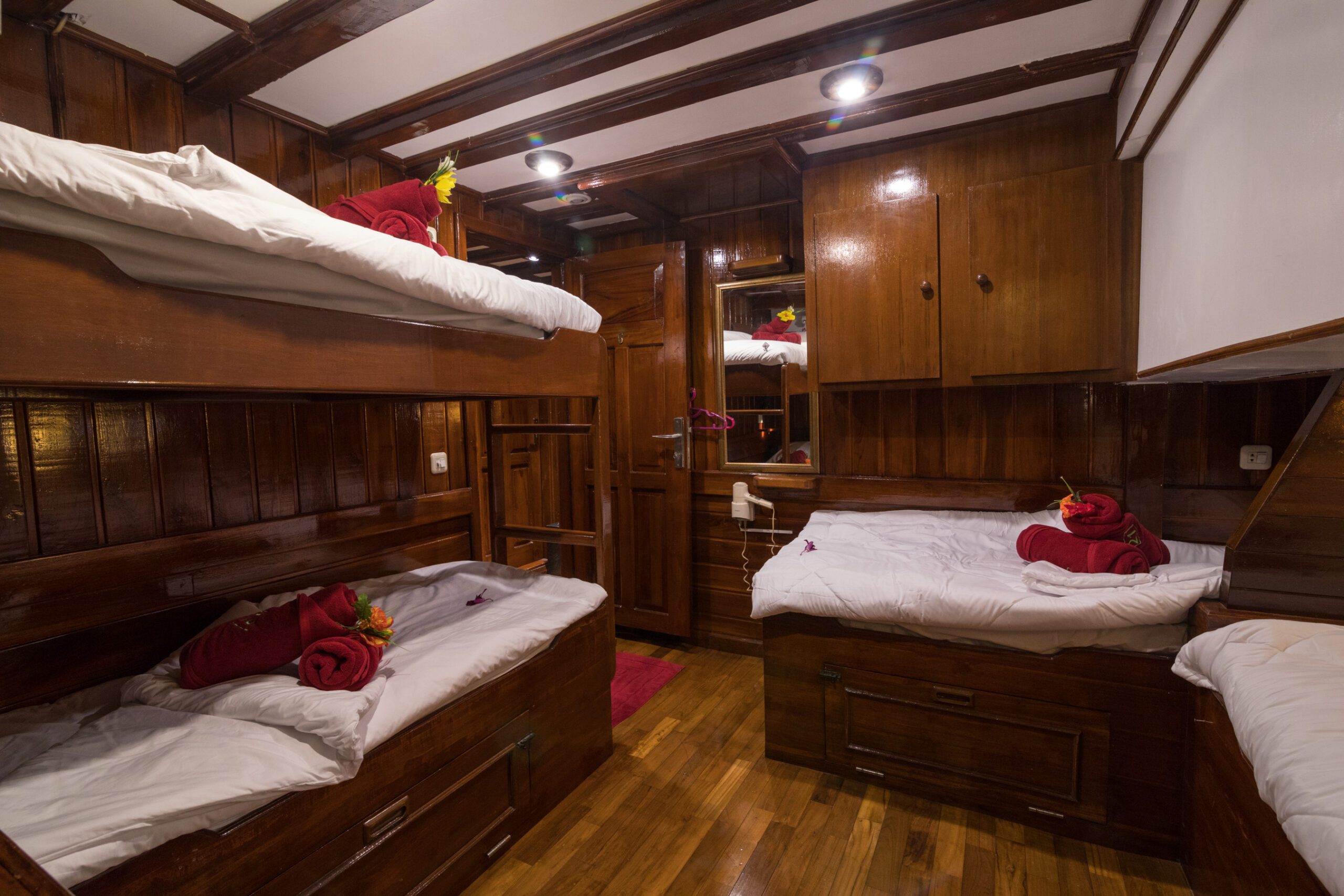
7 aircon cabins
Individual aircon control
Ensuite bathroom with hot water
Overhead reading lights
Bath towels
Cupboards for personal items
THE DIVING
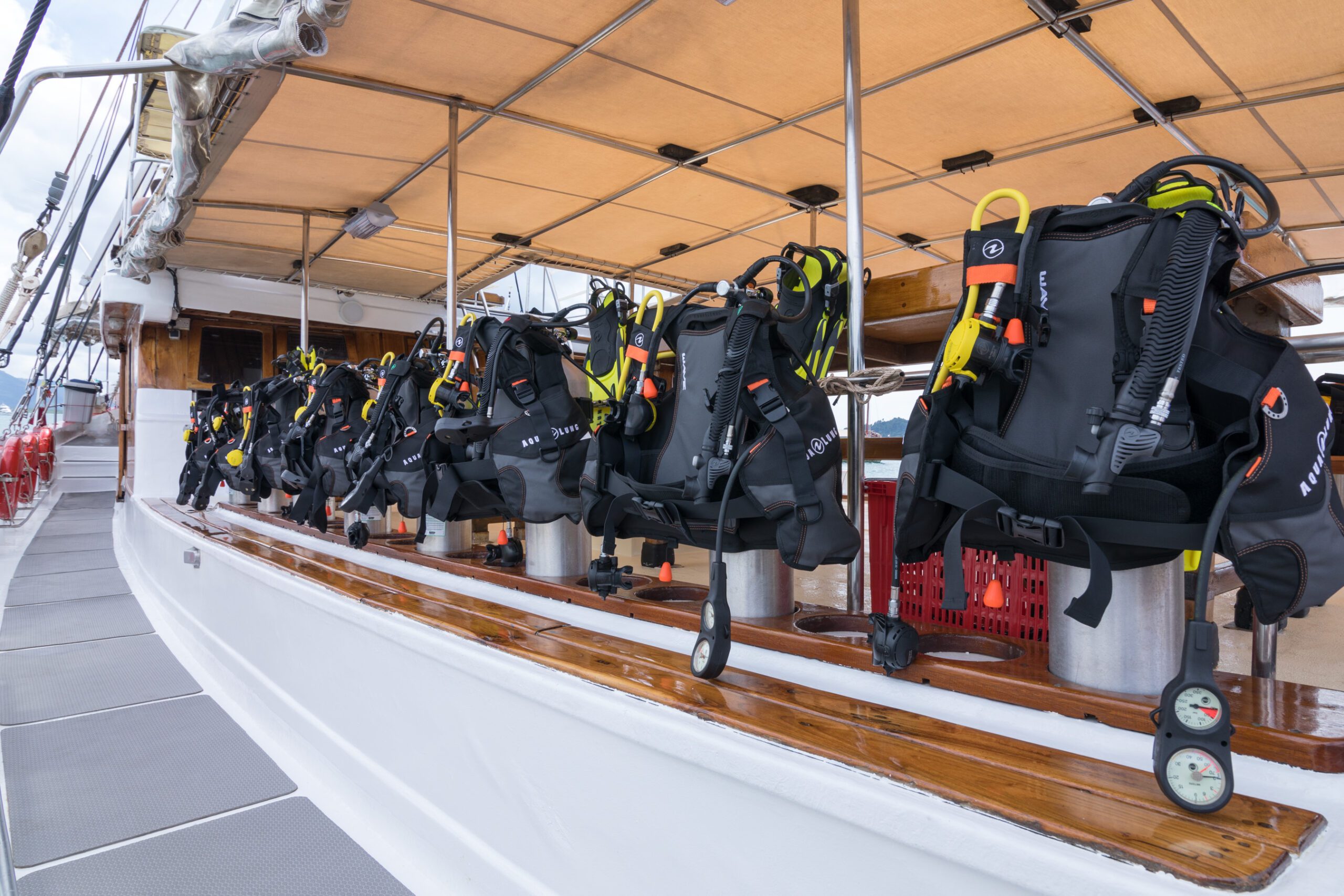
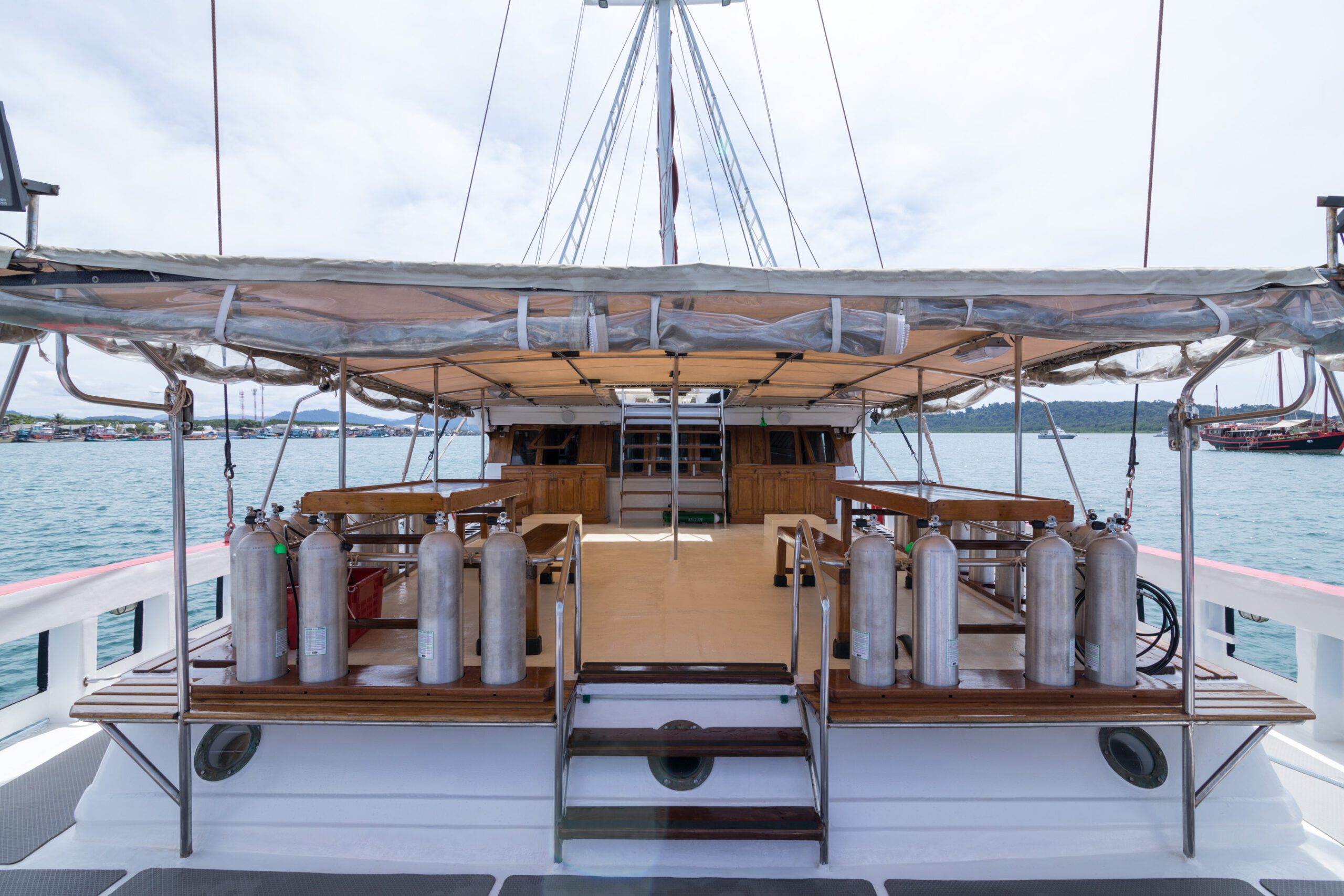
Shaded dive deck
Personal set-up area & storage crate
12l Alu-tanks, weights & belt
15l Alu/Steel-tanks*
Aqualung rental equipment*
SMB (Safety sausages)**
Personal diving/deck towel
Nitrox and Dive courses available*
THE BOAT
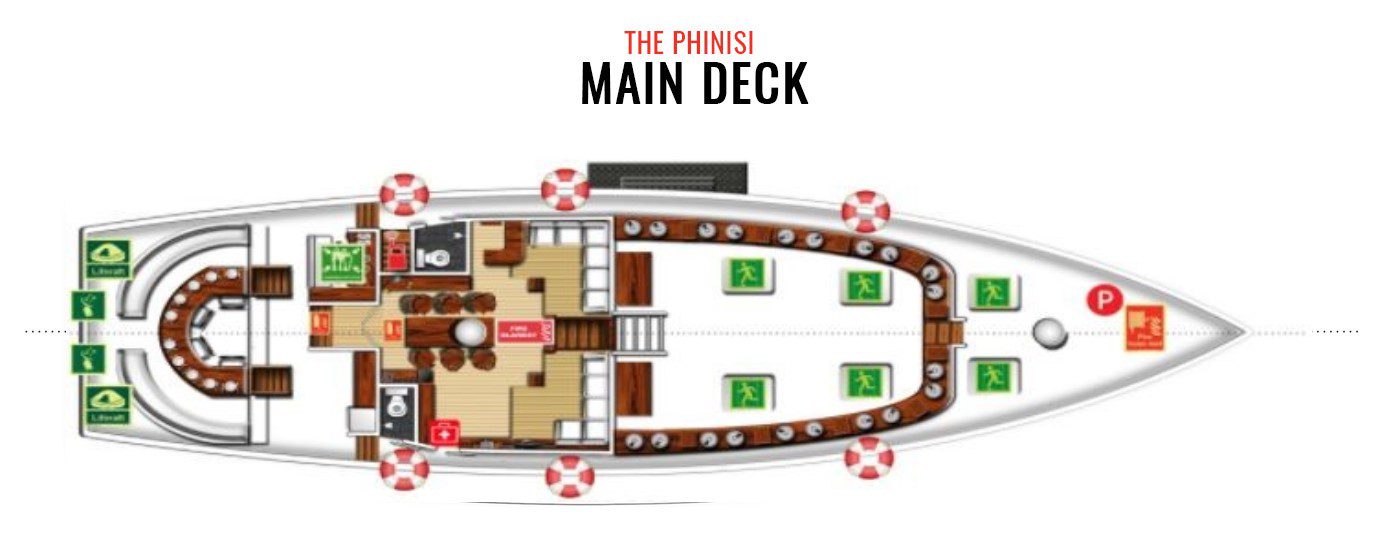
Fan Saloon
42″ Flatscreen TV
Library of movies, books & games
Covered outdoor & indoor dining
All meals served buffet style
Self service drinks & snacks*
Sundeck with beds
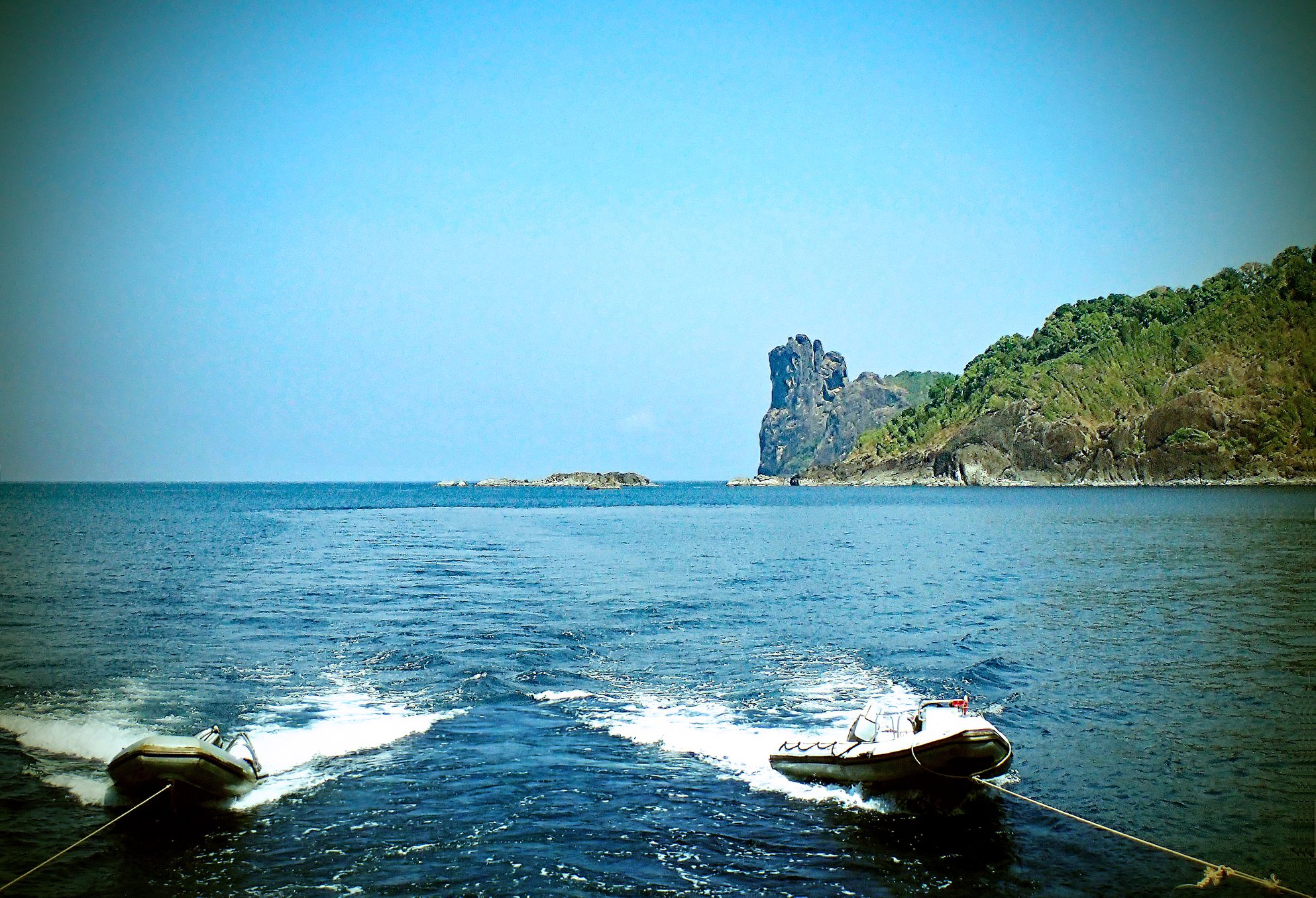
2 support RIBs
THE EXTRAS
The Phinisi boutique (Equipment/Merchandise)
Island visits
Service with a smile
TRIP INFO
It is a mandatory requirement for all divers to have insurance which covers scuba diving activities equivalent to their diving qualification, including emergency evacuation and recompression chamber costs. Please check our Insurance page for possible suitable options.
Airport & Transfer Info
Embarkation Point: B.C.Badin Resort, Ranong at 12:00 noon*
Disembarkation Point: B.C.Badin Resort, Ranong at 09:00
Ranong is a 5-hour transfer by minivan from Phuket. We provide a free transfer from Phuket to Ranong with two specific pick up times and locations in Phuket to arrive in Ranong at 11:00 on embarkation day. Please contact our reservations team for details and bookings.
Transfers between Ranong Airport* or a Ranong hotel and The Phinisi on embarkation and disembarkation days are also included in the liveaboard price.
*Guests flying into Ranong on embarkation day MUST book a flight that arrives no later than 11:00 am.
Marine & Port Fees
7 nights: 280 USD per person
10 nights: 350 USD per person
Marine park fees can be paid on board.
Minimum dive certification and experience
Diving in Myanmar can often be challenging, especially for inexperienced divers. There can be tough conditions with strong currents and reduced visibility due to an influx of nutrients at certain dive sites which may make the diving unsuitable for entry level divers or those who have not dived in similar conditions before.
Divers wishing to join this itinerary are advised to have Advanced Open Water certification*, or equivalent, with a minimum of 30 logged dives and experience in strong currents.
*Advanced Open Water course can be completed on board.
Guests who do not fulfil the minimum certification and experience requirements may be denied participation in some or all dives.
Number of scheduled dives
This itinerary involves some long distance travel and, whilst we attempt to ensure the number of planned dives is fulfilled, bad weather and sea conditions can affect the boat’s ability to reach a specific dive site in good time and may impact on the number of dives that are possible.
There is no diving on embarkation day.
Number of scheduled dives:
7 nights: Up to 22
10 nights: Up to 34
Safety and dive briefings are conducted in English. If you, or any of your group, do not speak or understand English, please contact us.
Example of the day-to-day schedule
The following is an example of the day-to-day itinerary.
Day 1: Visit immigration in Ranong for Thailand exit formalities followed by embarkation, lunch, and briefings. This is followed by a short crossing to Kawthung in Myanmar for immigration entry formalities. Once this is complete The Phinisi will cruise into the archipelago.
Day 2-6 (7 night) and Day 2-9 (10 night): Your Cruise Director will schedule up to 4 dives per day; 3 day dives and, where possible, a sunset or night dive.
A typical diving day is scheduled as follows:
Light Breakfast followed by a briefing & Dive 1
Full Breakfast, relaxation followed by briefing & Dive 2
Lunch, relaxation followed by briefing & Dive 3
Snack
Briefing for Dive 4
Dinner
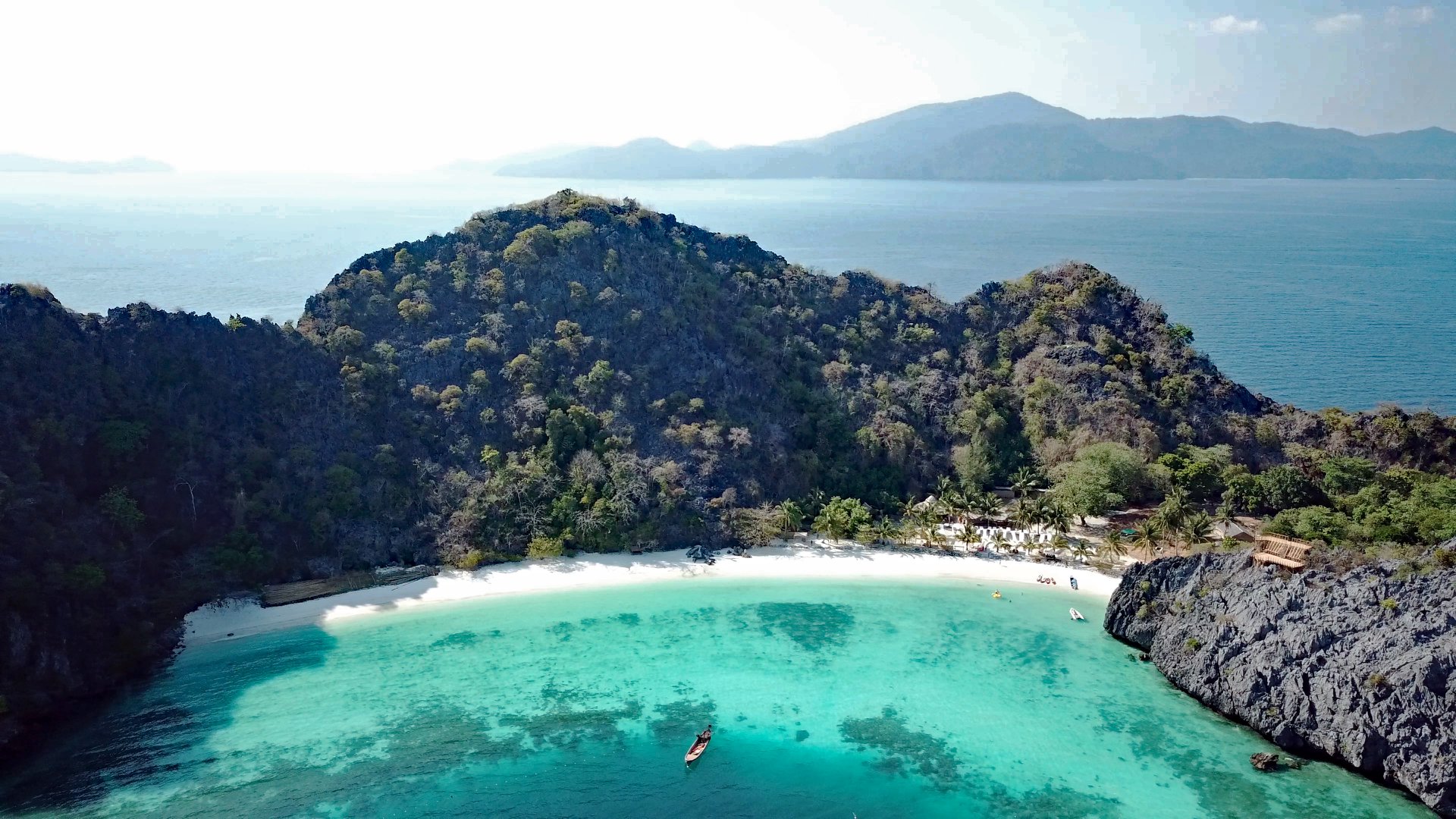
Day 7 / Day 10: Usually 2 morning* dives before The Phinisi cruises to Horseshoe Island where there is an afternoon beach visit and snacks before the vessel returns to Kawthung.
Disembarkation Day: Following breakfast on board and immigration clearance out of Myanmar, disembarkation is scheduled for between 09:30 and 10:00am, after which you will visit the Immigration Office in Ranong to obtain an entry stamp back into Thailand before departing on your transfer.
*We kindly request that guests check their flight departure times to ensure that they leave a minimum of 24 hours between their final dive and the departure of their flight. While we wish to show you the best diving possible, the safety of all on board remains paramount. In the unlikely event we cannot reach a specified dive site; we always do our best to offer diving at alternative locations.
epic! DIVE SITES
MERGUI ARCHIPELAGO – MYANMAR
HIGH ROCK
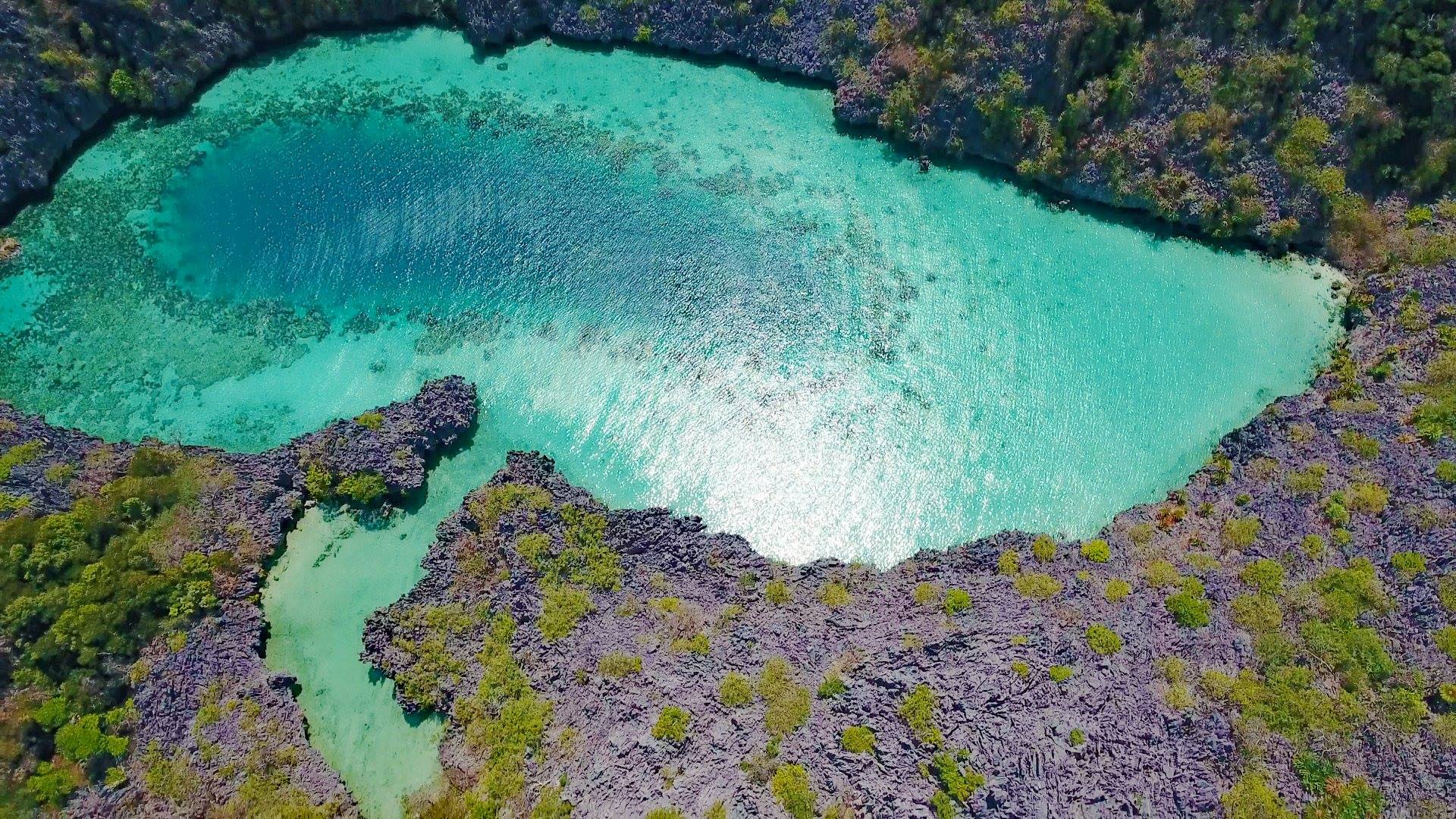
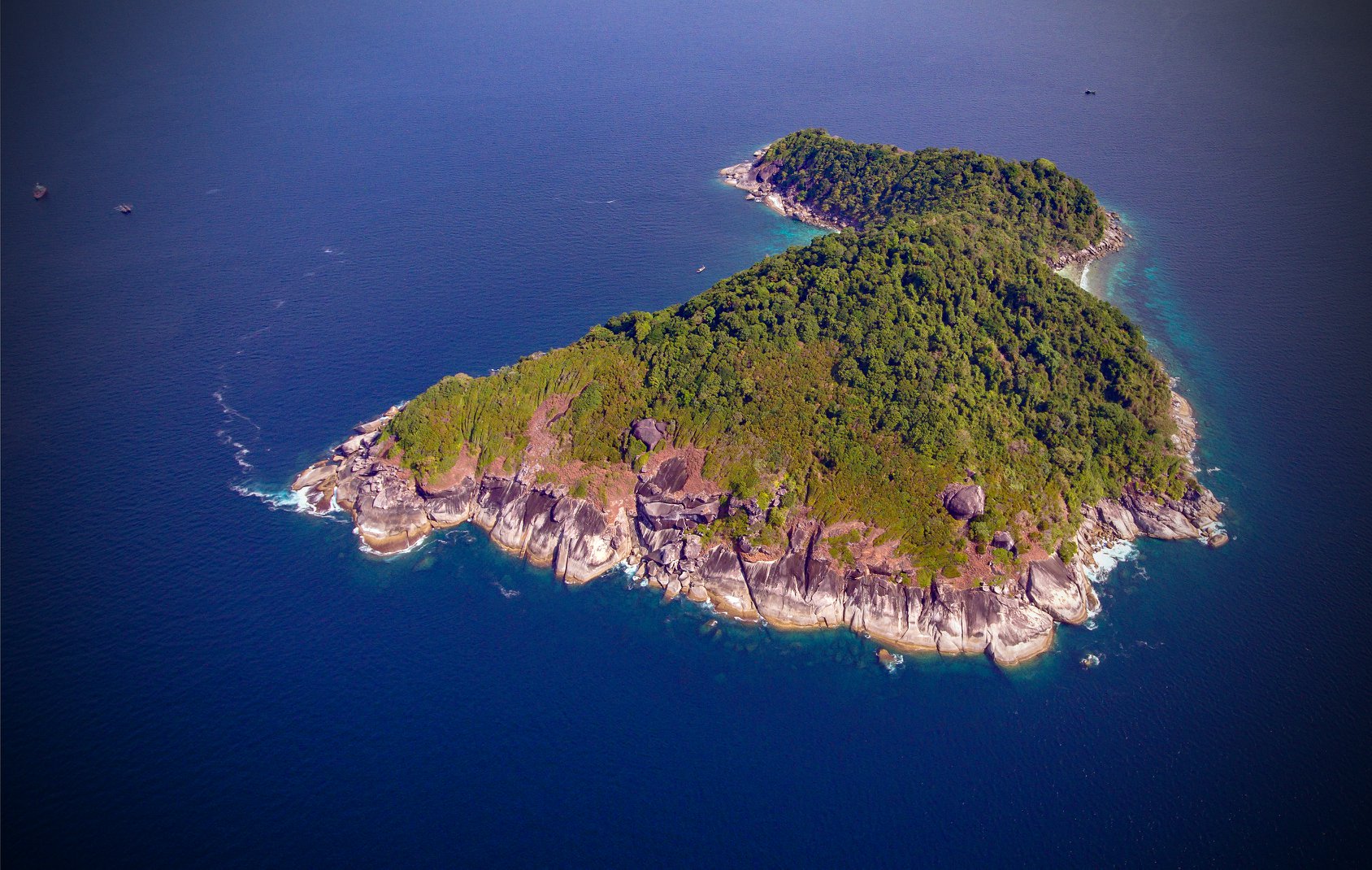
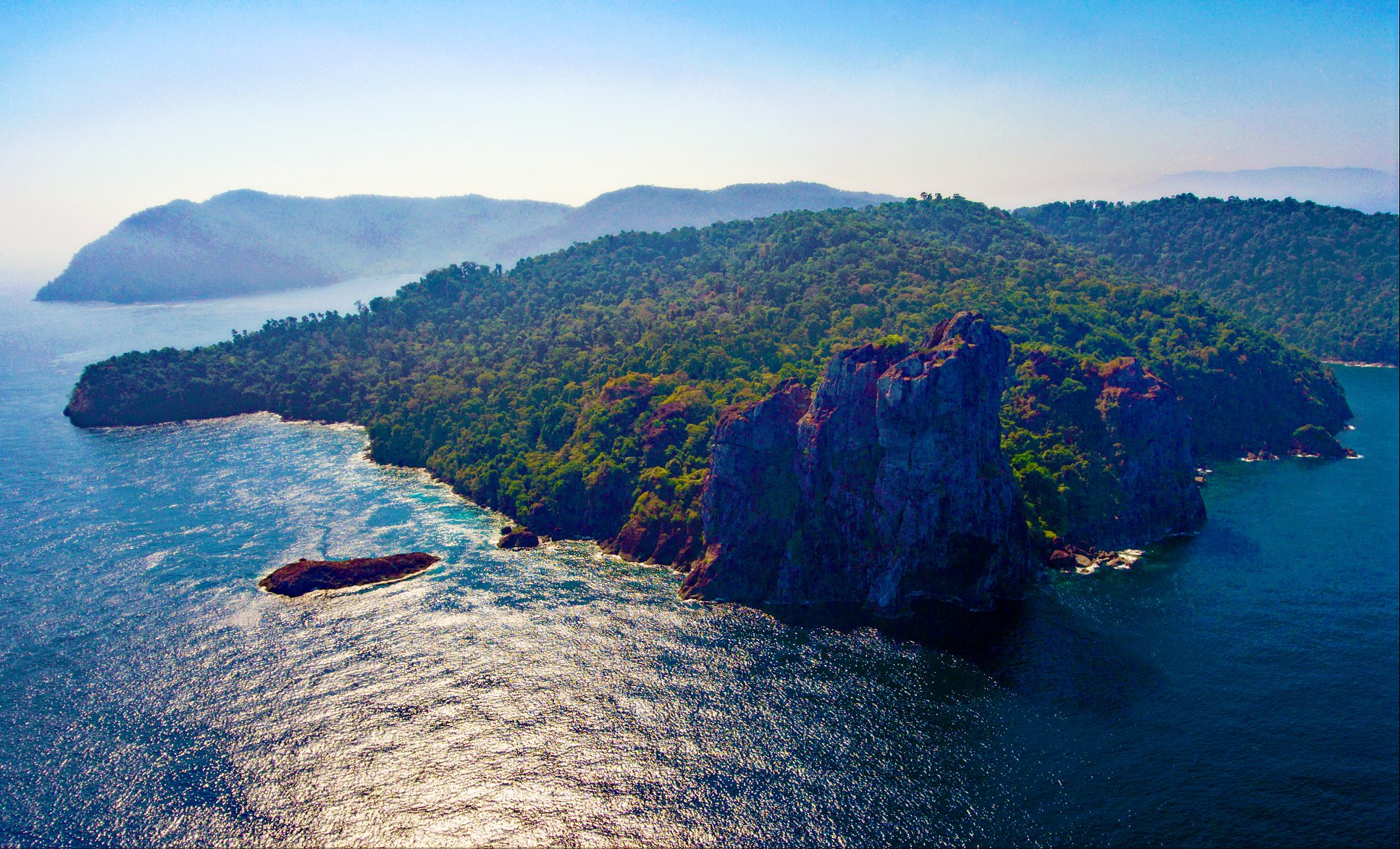
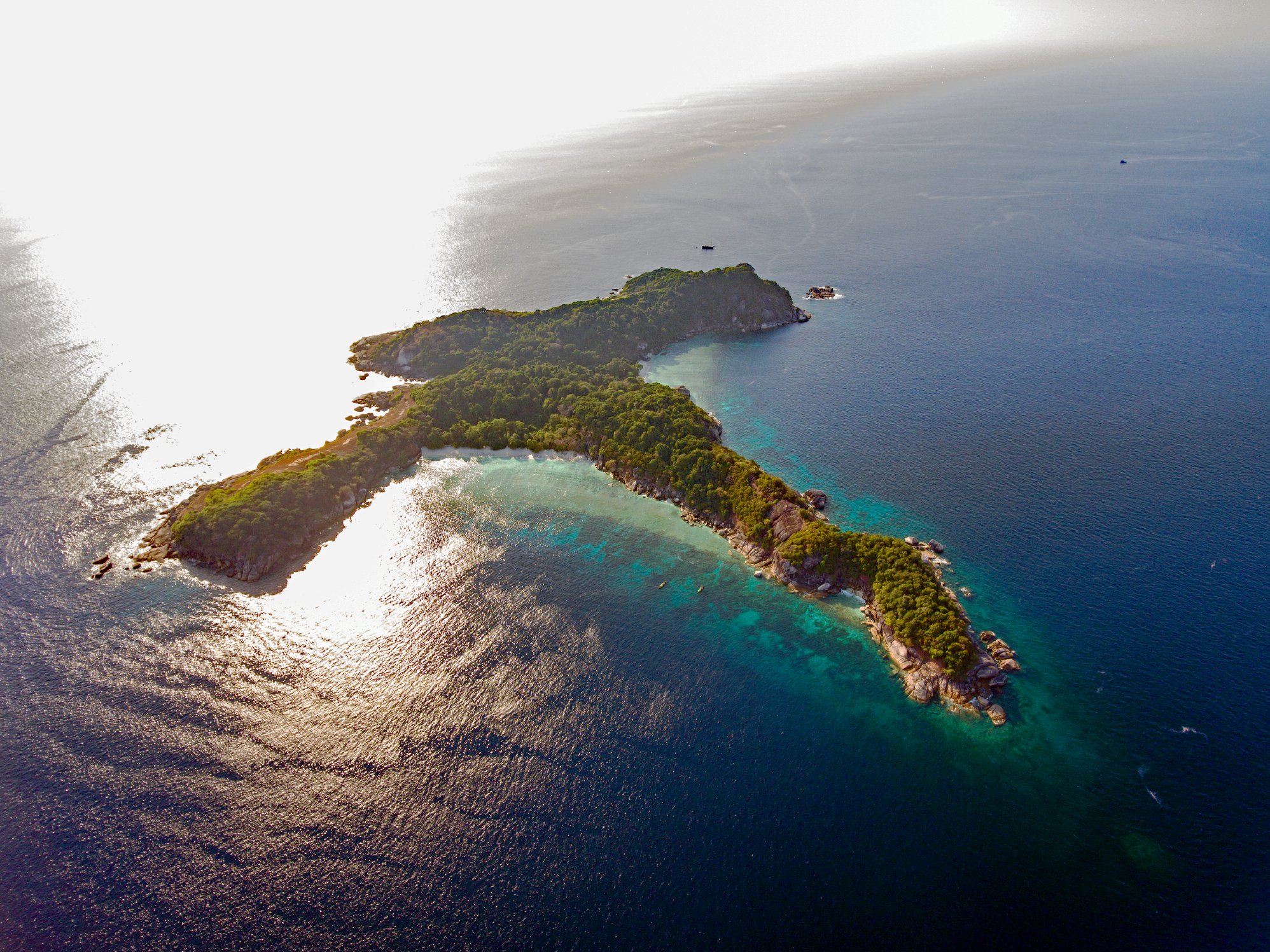
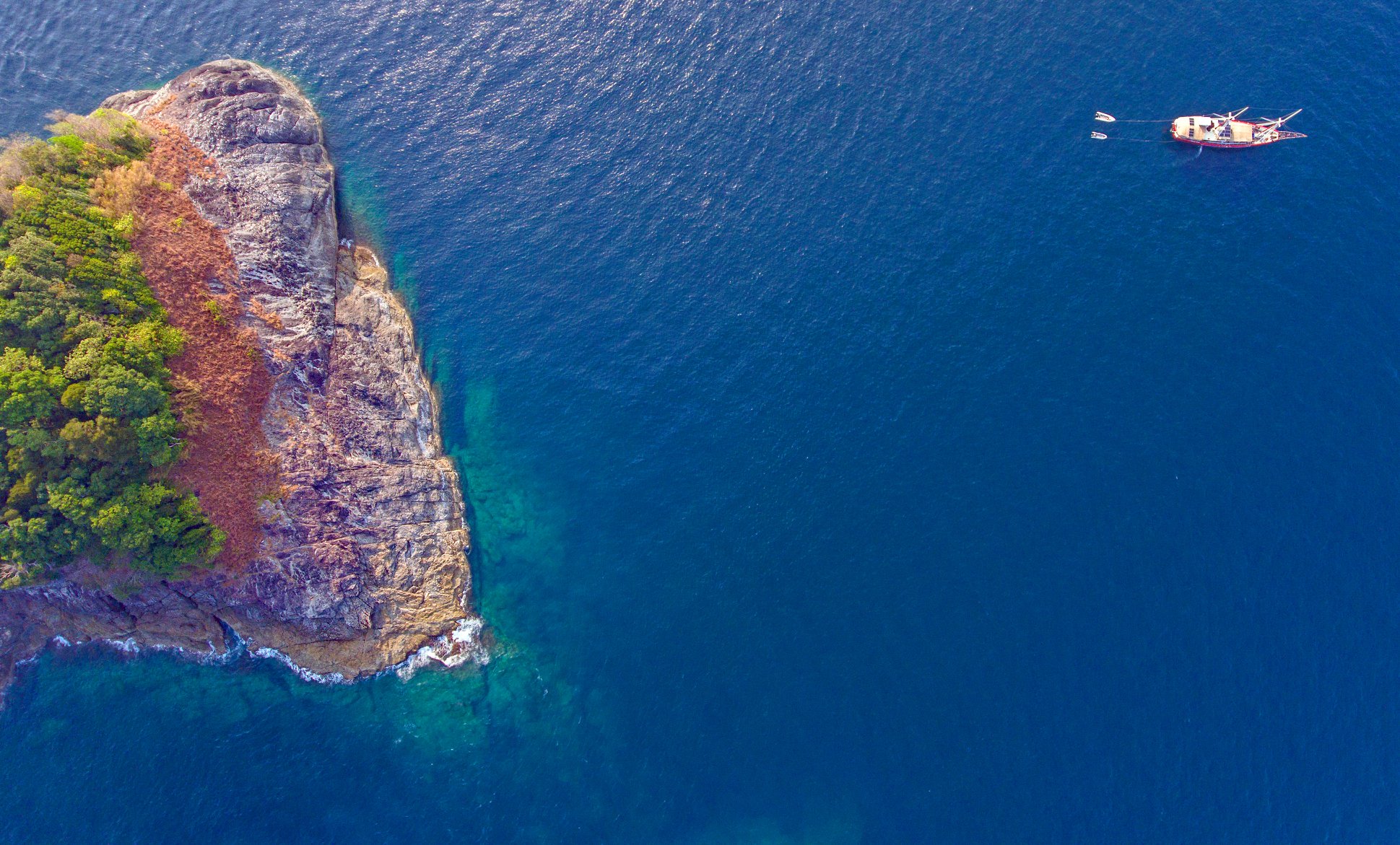
This is a tiny islet with a lonely tree growing on the top.
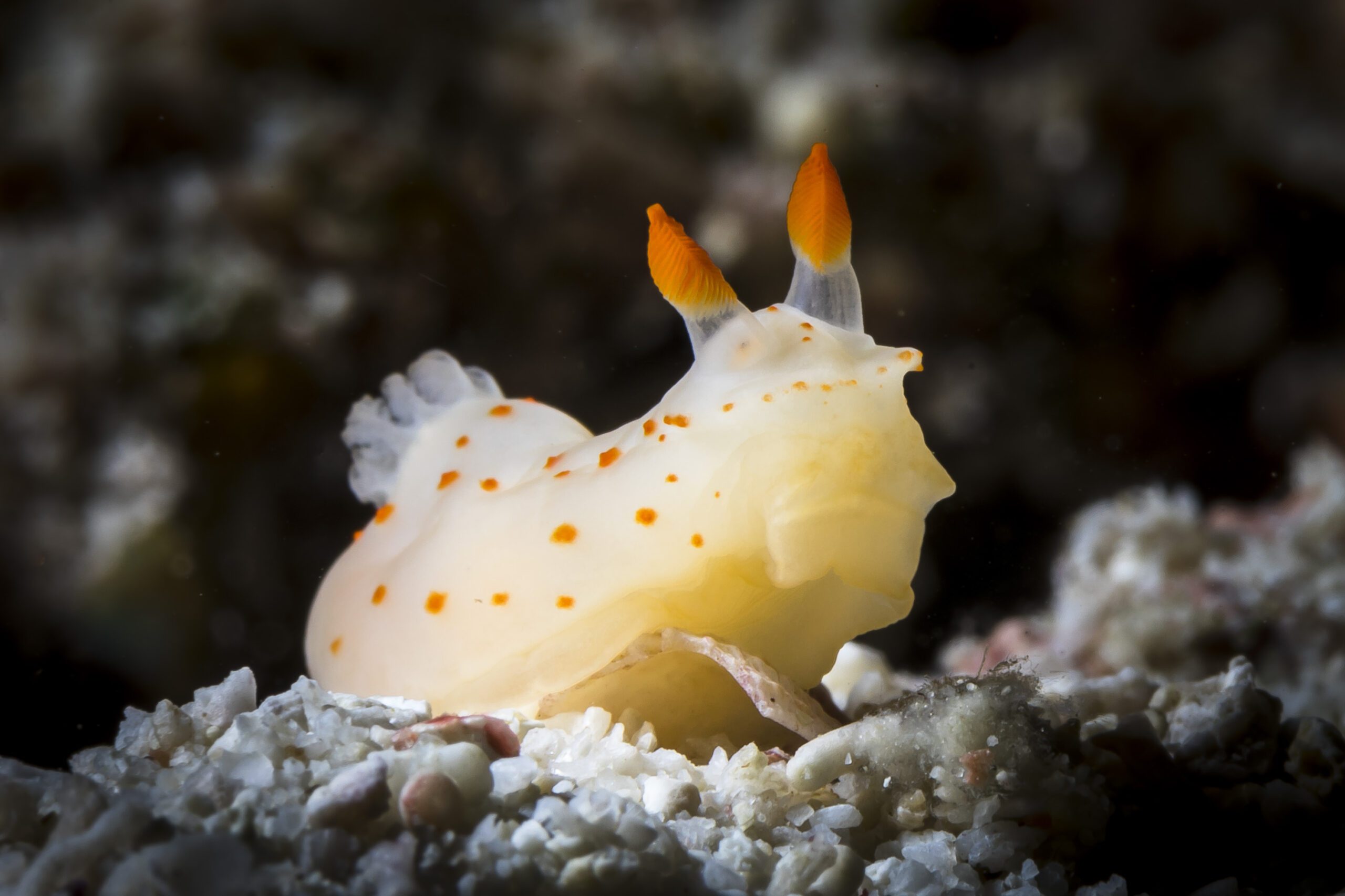
Underwater, you will find a steep rocky reef with lots of tube and fan corals. Lots of critters hang around the cracks including nudibranchs, pipefish and seahorses.
Visibility and currents can sometimes be challenging but it is a rewarding site.
NORTH & SOUTH TWIN & CAPTAINS ROCK
Strong currents bring with them teams of schooling fish and with superb visibility the atmosphere on the reef at North Twin is breathtaking. Hard corals have seen damage from the rise in water temperature but soft corals adorn the reef and bring vibrancy.
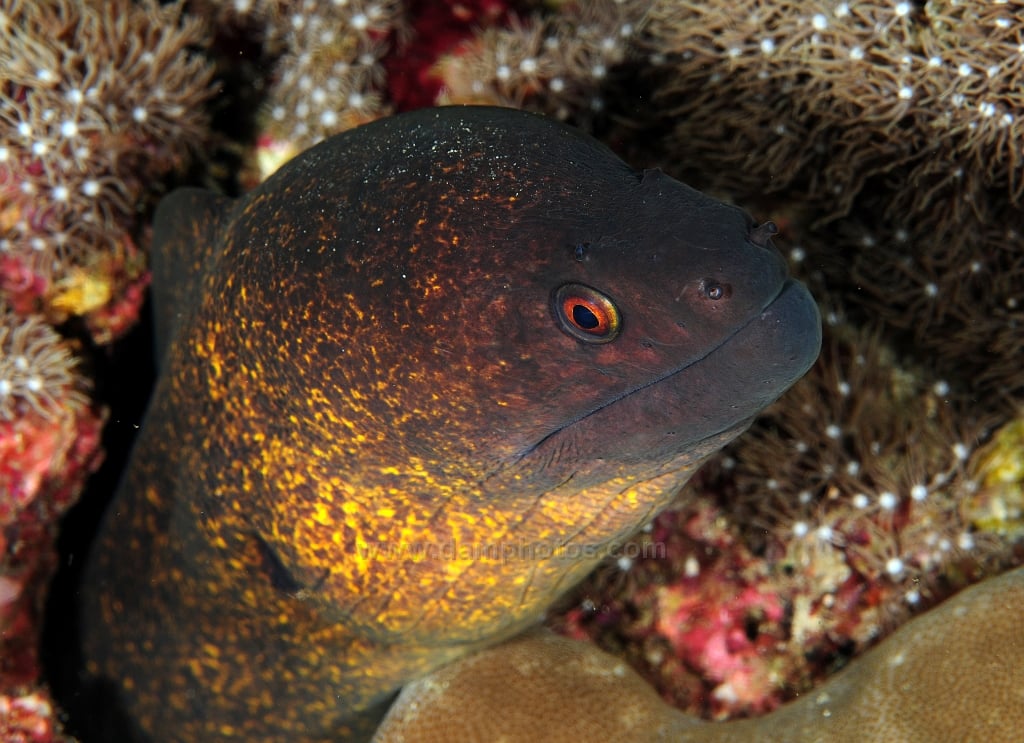
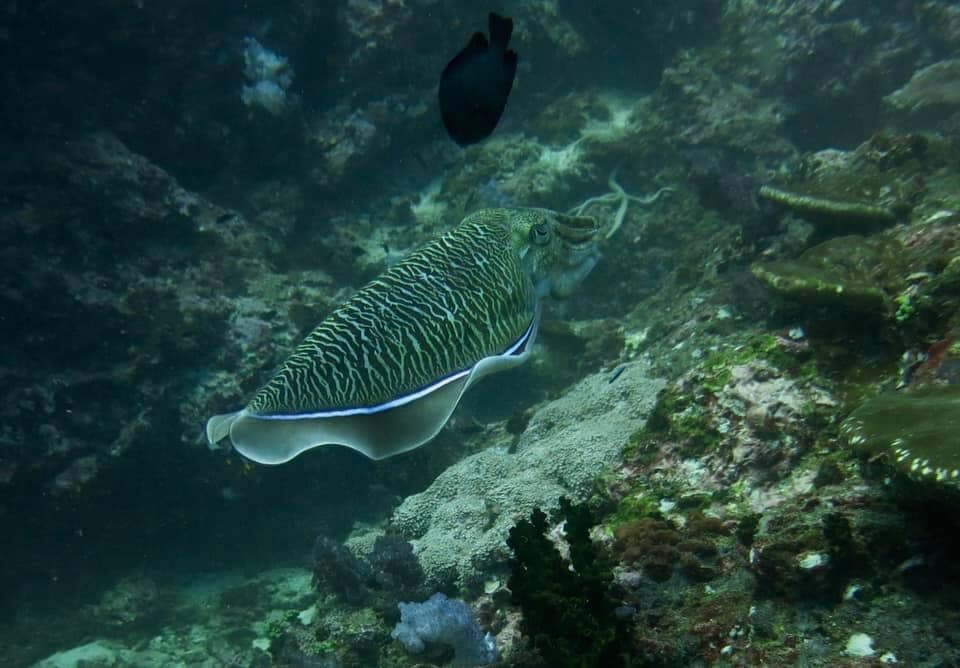
In South Twin we can expect to see an abundance of moray eels, harlequin sweetlips and cuttlefish.
Captain’s Rock, otherwise known as Bowie Rock, is a sloping reef with huge soft coral covered boulders. Sweetlips, barracuda, a variety of angel fish and many smaller creatures including devil scorpion fish, pipe fish, shrimps and flabellina nudibranchs can be found all over the reef. Mantas may also been seen here.
BLACK ROCK
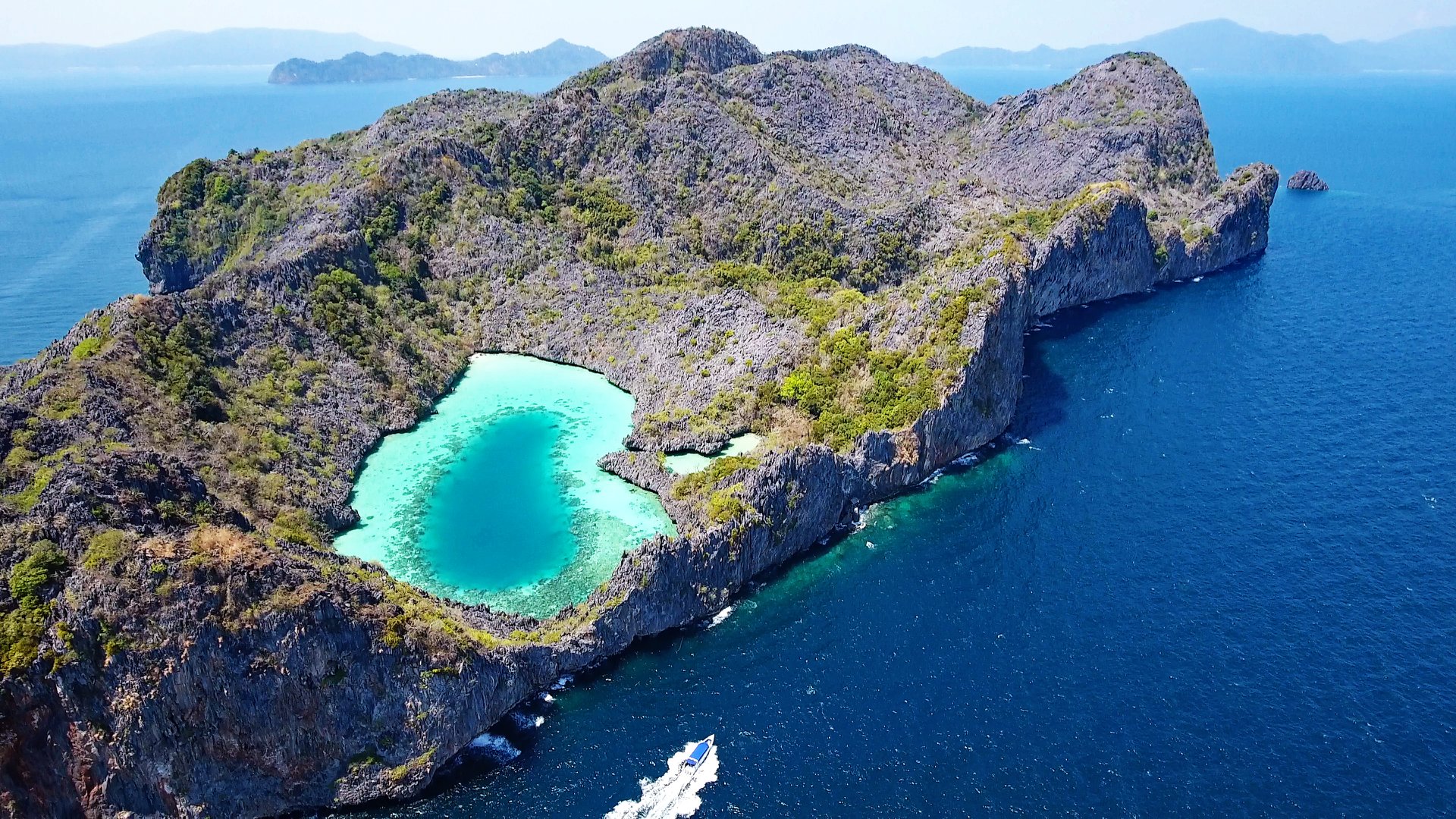
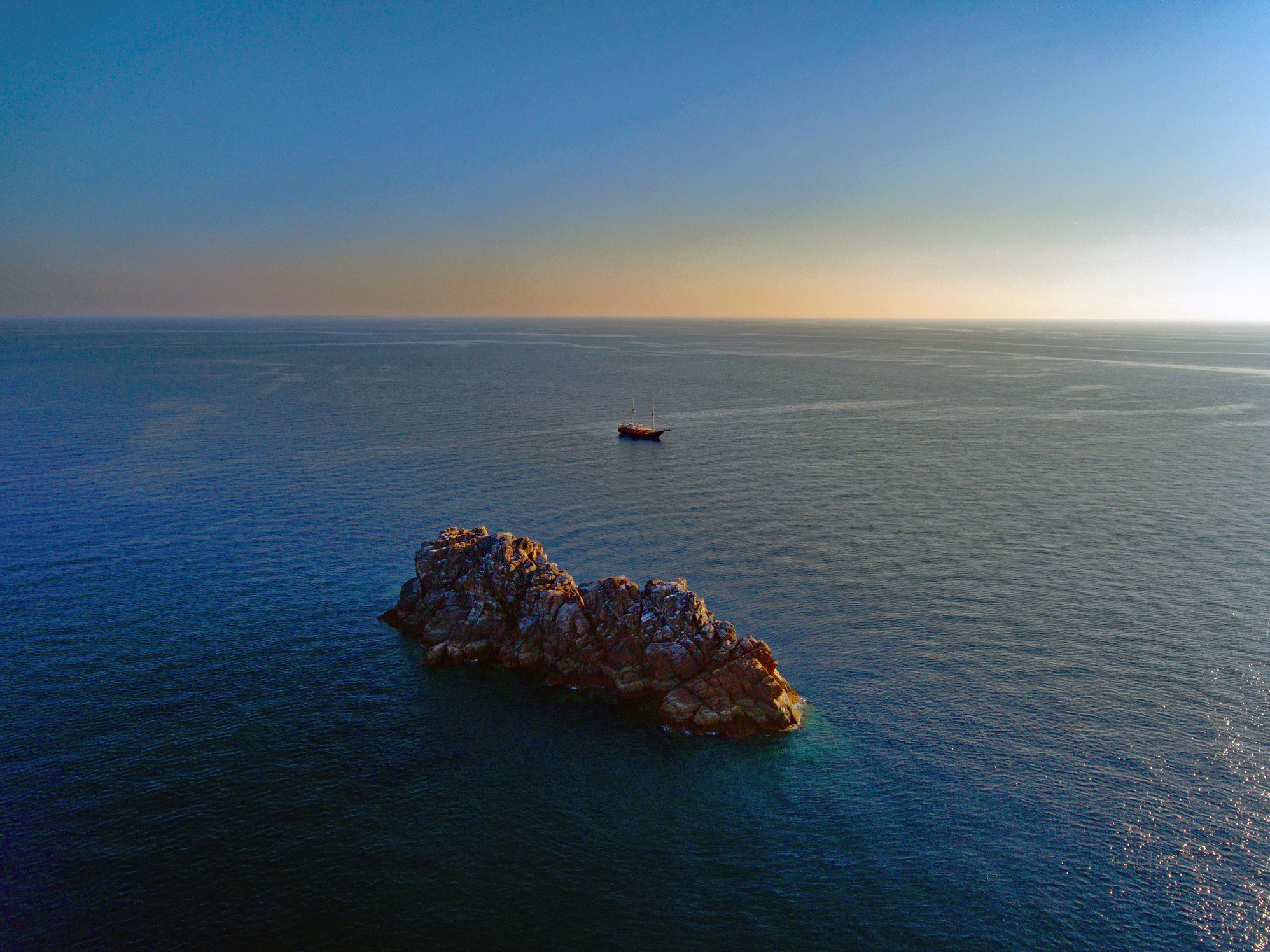
Black Rock stands alone in the Andaman Sea 100 miles northwest of the Thai Burmese border town of Kawthaung. The rock acts as a natural magnet for fish and other marine life. An excellent multi-level site, you can start your dive anywhere around the perimeter, depending on currents.
Underwater terrain on the south side consists of a vertical wall down to roughly 27m, where it becomes a more gradual slope. Just off the south-west corner is a particularly interesting area, where a detached rock formation rises from very deep water to about 24m. These rocks are covered with small, vibrant soft corals, and often attract schooling snappers and rainbow runners.
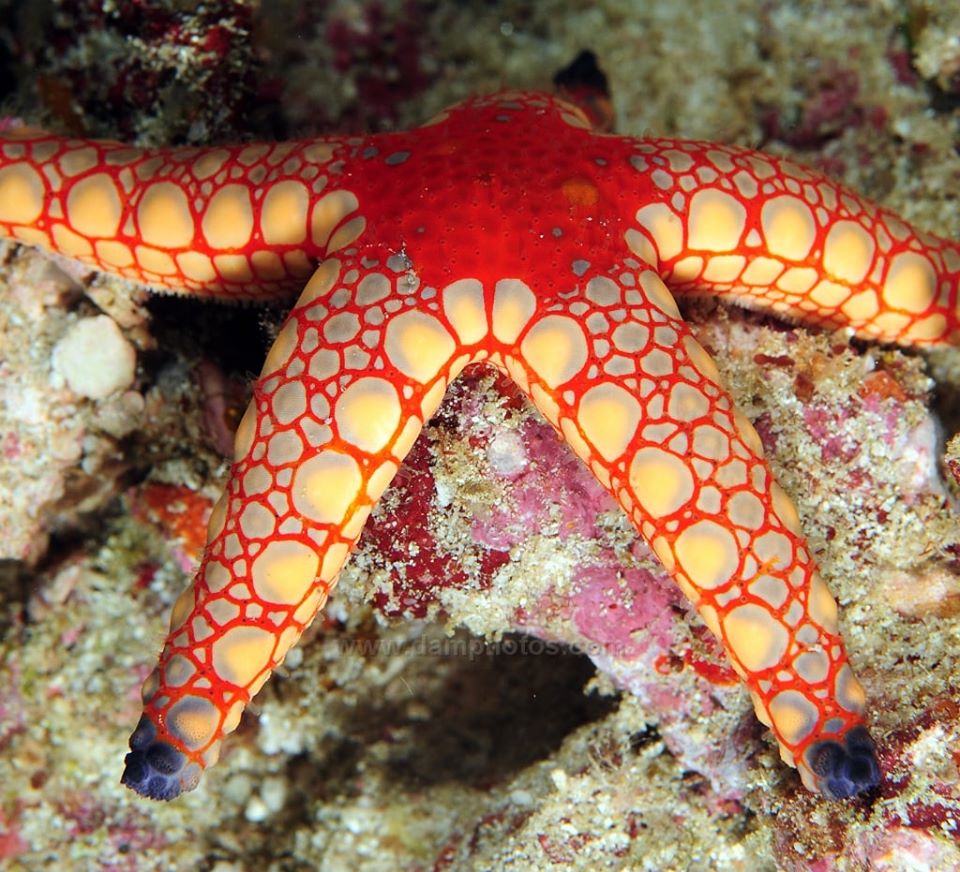
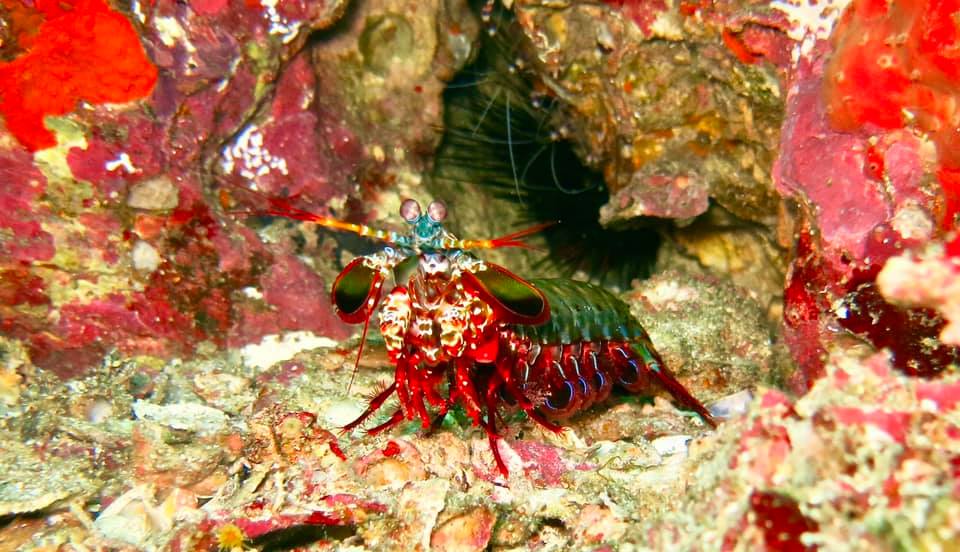
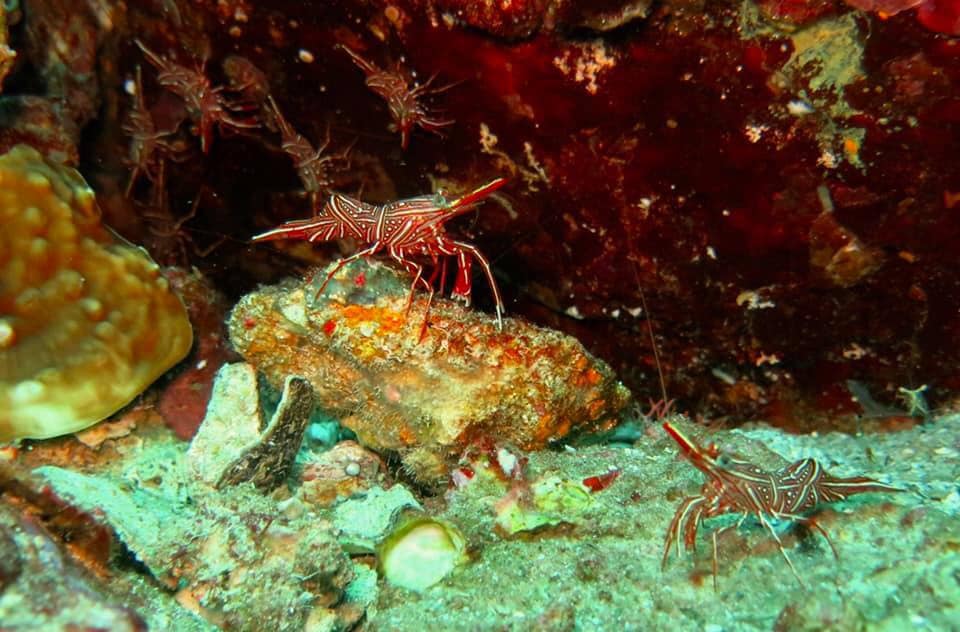
Back at the main islet, deeper sections are decorated with orange gorgonian fans, along with fields of corallimorpharians (they look like stony corals) on the sloping west and north sides. At the eastern tip, watch for vast numbers of magnificent anemones, especially at dawn and dusk when they show off their colourful bases. A wide range of invertebrate life can be found at Black Rock, including smashing and spearing mantis shrimp, spiny lobsters, hermit crabs, sea stars, cowrie shells, harlequin shrimp, octopus and cuttlefish.
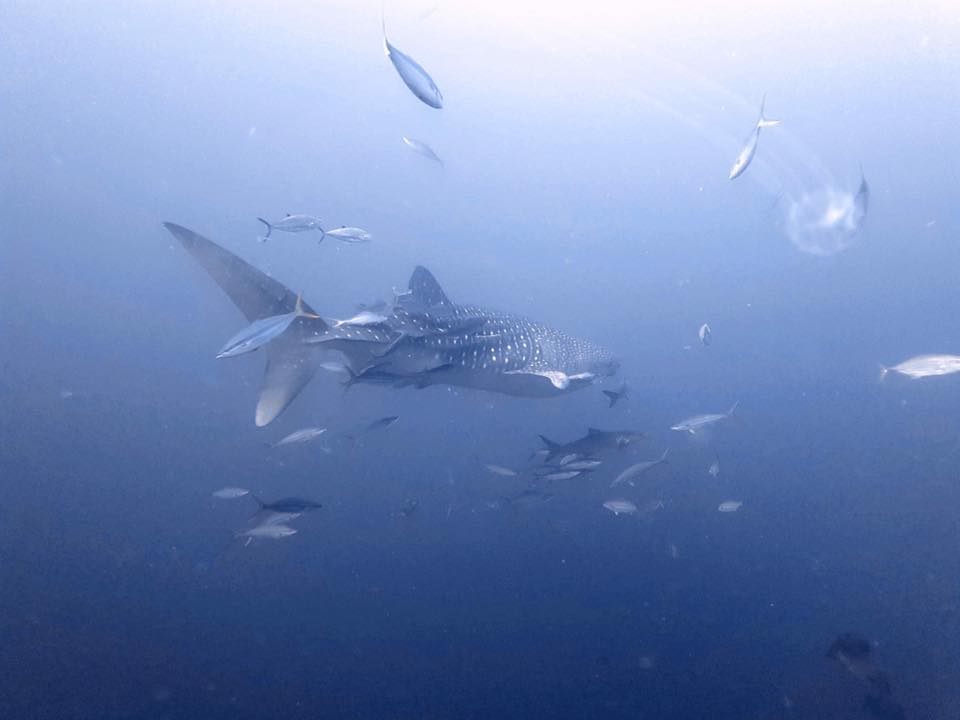
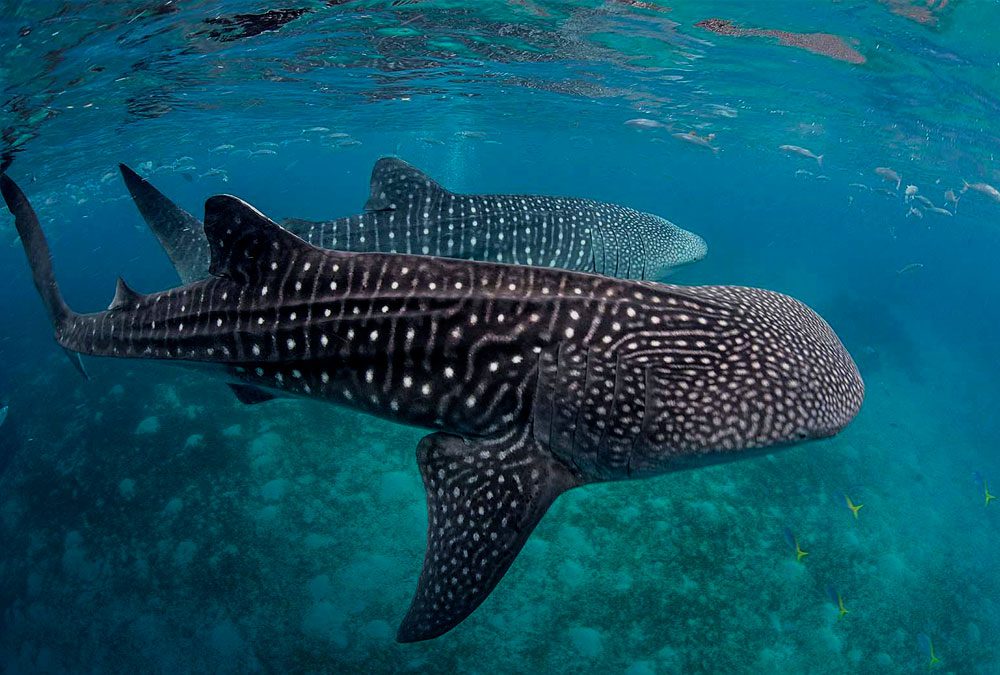
During safety stops, move slowly along the eastern and western ends of the south wall to find brilliantly coloured elegant hermit crabs and a variety of nudibranchs, as well as golden wentletrap snails that feed on the orange cup coral. Fish life is also abundant and varied, with a chance to see almost anything from scorpion fish and giant morays to marbled sting rays. Mantas and even whale sharks are also sometimes visitors of this site.
FAN FOREST & WESTERN ROCKY
As the name Fan Forest Pinnacle suggests, it is a submerged pinnacle famous for the amount of gorgonian sea fans. The biggest gorgonians are in deeper waters around 20 m and below.
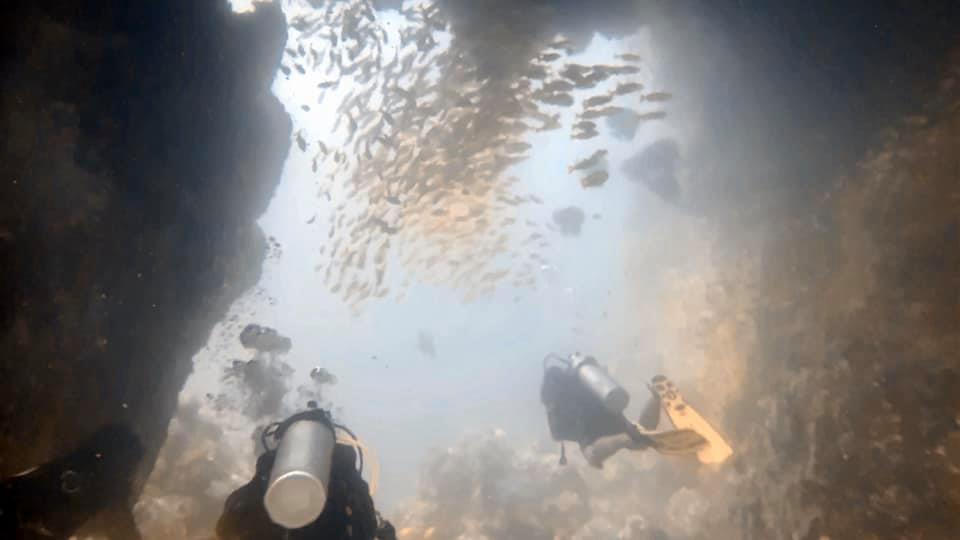
They are very healthy and support a large variety of marine life including feather stars, cowries, hawk fish and shrimps. Schooling fish include snapper, trevally, rainbow runners and fusiliers. Moray eels and scorpion fish are also numerous. A short trip south of Sea Fan, Western Rocky is the scene of dramatic underwater terrain on this excellent dive site, which consists of a main islet plus several detached pinnacles. Among the more striking features of the main islet is a huge underwater archway where schooling snapper often hang out.
The soft limestone island is riddled with holes and crevices, providing hiding places for hinge-beak, saron and harlequin shrimps, thorny oysters, cowrie shells, nudibranchs, spiny lobsters and moray eels.
Large gorgonian fans and lush soft corals populate many of the deeper areas, while shallow portions of the south side wall are covered with orange cup corals and colourful encrusting sponges. Fish life can include almost anything from ornate ghost pipefish to frog fish to schooling batfish. Western Rocky pinnacle is shaped like a cheese wedge covered by both hard and soft corals, lots of trevally and tuna, and if you are lucky, the elusive bow mouth guitarfish.
SHARK CAVE (aka THREE ISLETS)
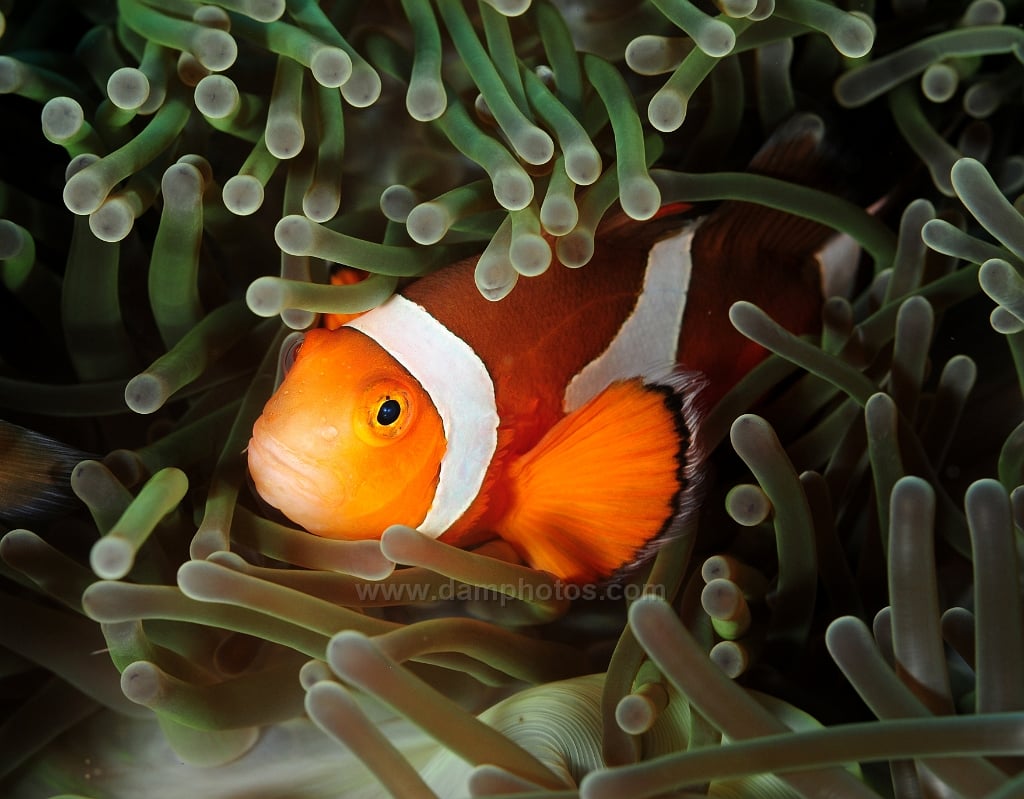
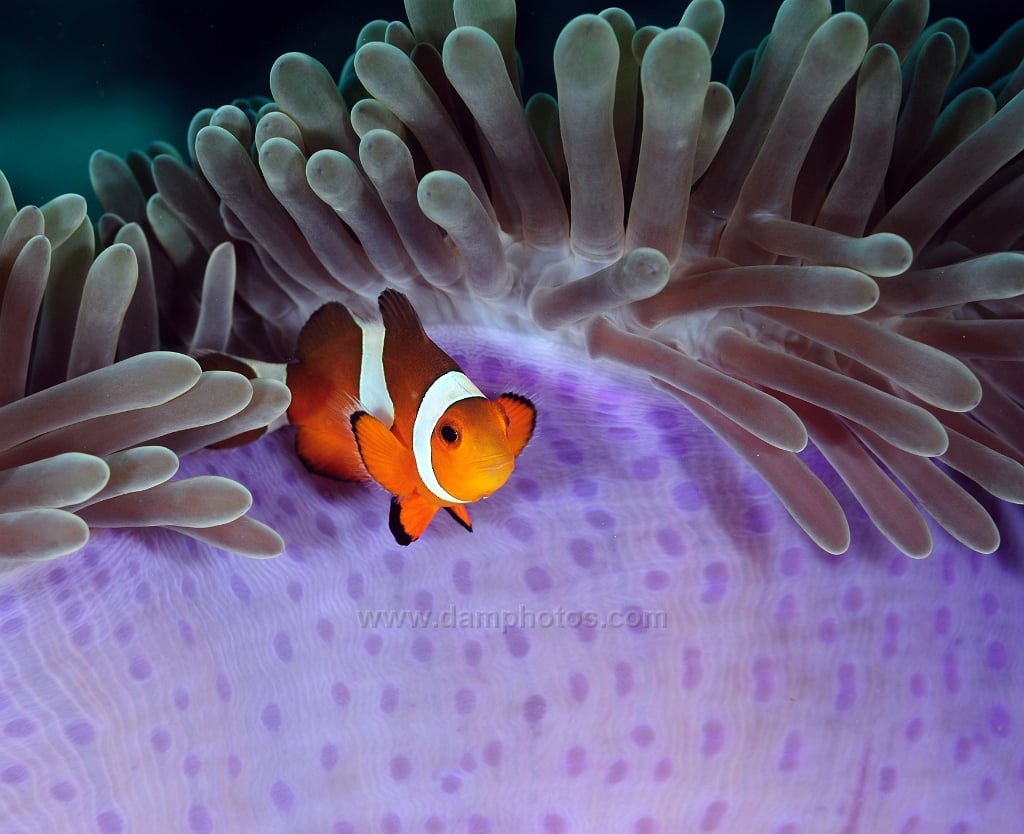
All around this site, marine life is extremely rich and diverse. There are three different rocky islets with vertical walls as well as sloping reef. Many areas are populated with fields of anemones, which are home to five different species of anemone fish.
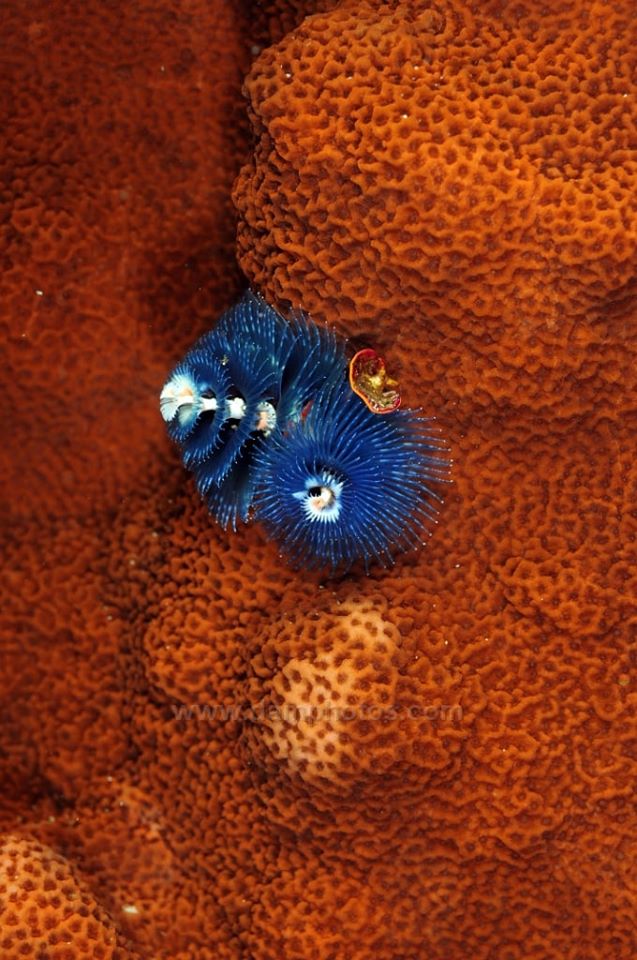
Elsewhere, large tubastrea coral trees sprout from the rocky terrain, accompanied by crinoids, gorgonian fans and pastel green rope sponge. Tiger tail seahorses are often encountered on the deep edges of the slope, as are many varieties of morays – often several species in the same hole.
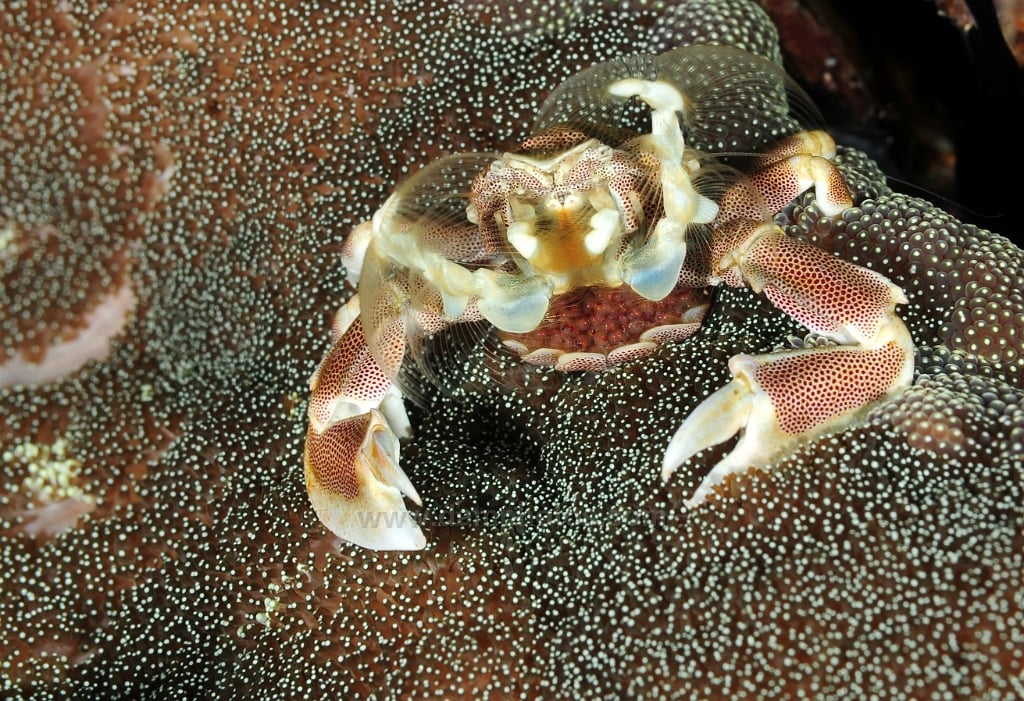
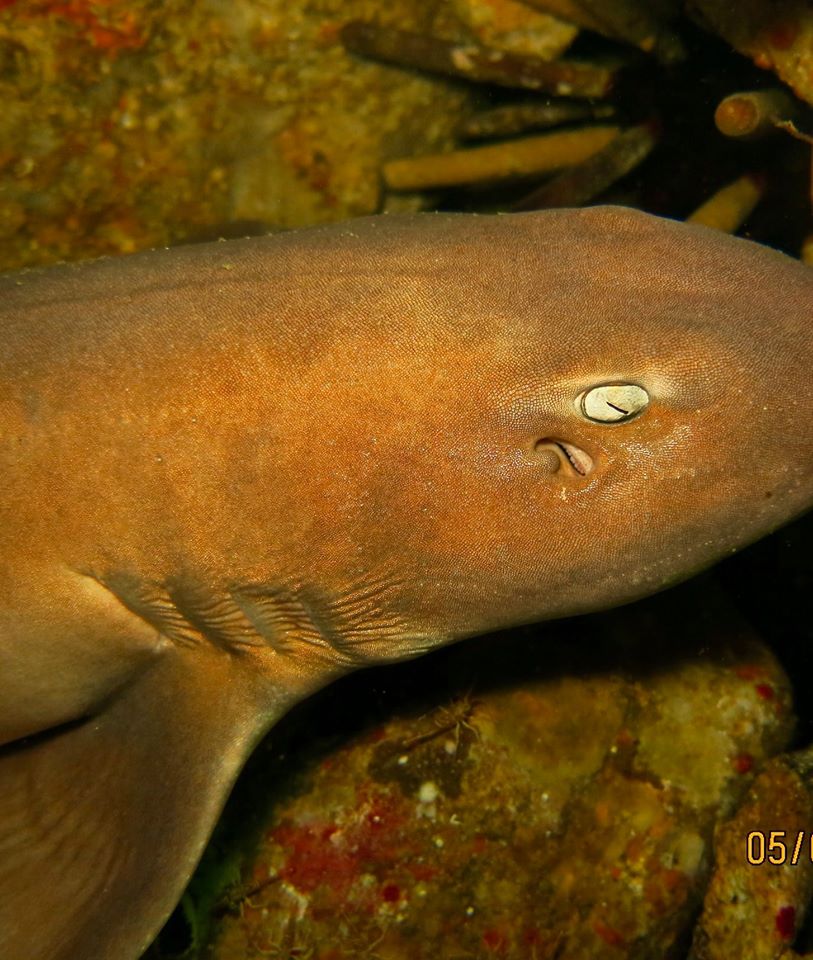
Cuttlefish may be found at nearly any depth, sometimes courting and mating. Ornate ghost pipefish, cowrie shells, octopus, reef squid, jaw fish, porcelain crabs, long nose pipefish, and mantis shrimps are often seen at this site. Scorpion fish are very abundant, so be careful where you place your hands! Between the three pinnacles and surrounding bottom, Shark Cave easily lends itself to several dives to enjoy the diversity of the reef and to marvel in the chasm of the Shark Cave! Nurse sharks can be found lurking inside the cavern along with marble rays, ghost pipefish and plenty of other fascinating creatures, including blue ribbon eels.
LITTLE TORRES ISLAND - 10 night only
Due to its remote location this is a good dive site for appreciating a kaleidoscope of colours from the hundreds of corals types in abundance such as table corals, mosaic corals and red whip corals to name a few.
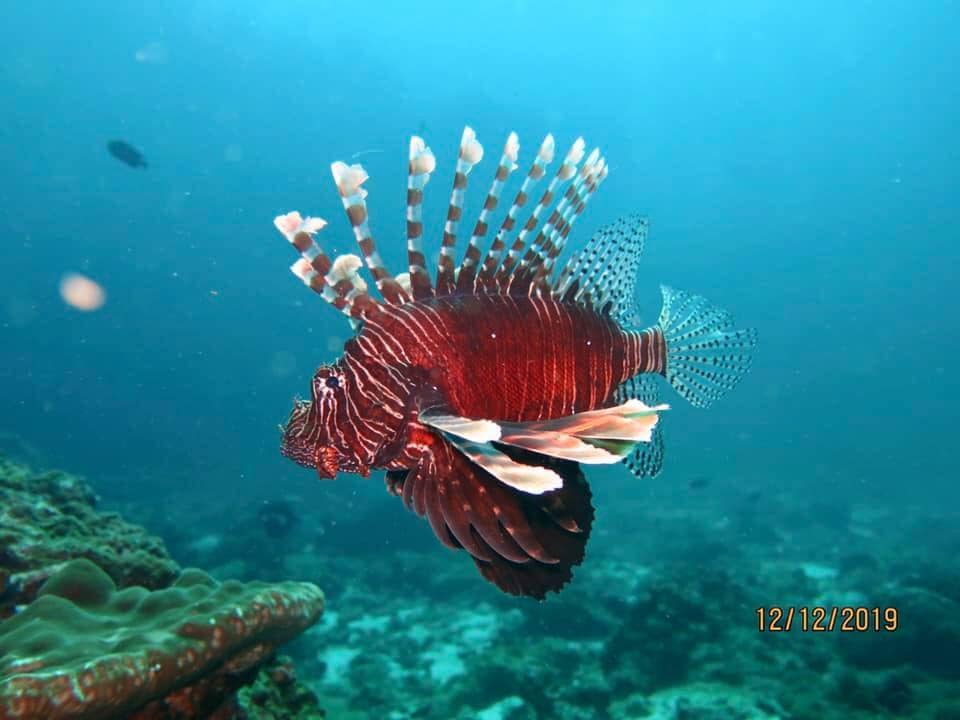
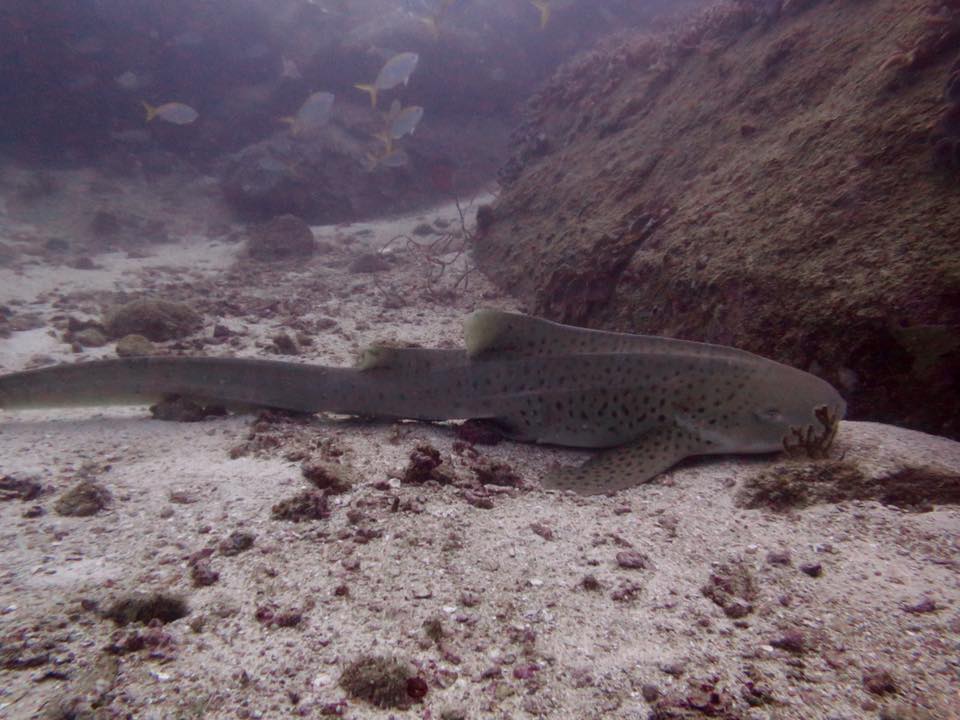
The corals are surrounded by healthy reef life and huge submerged boulders, as well as the occasional sting ray and the rare leopard sharks on the sea bed nearby. There is also a good chance of seeing black banded sea snakes here. Chances of spotting sharks, whale sharks and mantas. The “Sea Fan Forest” is an enchanting patch where lionfish, moorish idols and several cowries are present.
TOWER ROCK - 10 night only
As its name suggests, this is a magical dive site with towering walls descending into the depths. Below the water you will find a lunar site of boulders, made up from the taller reaches of Tower Rock in years past.
The walls are laced with whip corals and sea fans, oysters and clams. White banded cleaner shrimp and ornate spiny lobster hide amongst the crags, whilst blue faced angelfish and yellow striped fusiliers dance their way up the walls.
Larger visitors include manta rays and mobula rays, as well as blacktip and whitetip reef sharks. Moray eels, bearded scorpionfish, schools of snappers and fusiliers are among the usual suspects.
READY TO EXPERIENCE the INTRUIGING Mergui Archipelago?
CLICK to go to BOOKING FORM